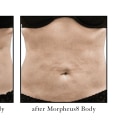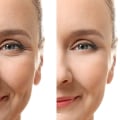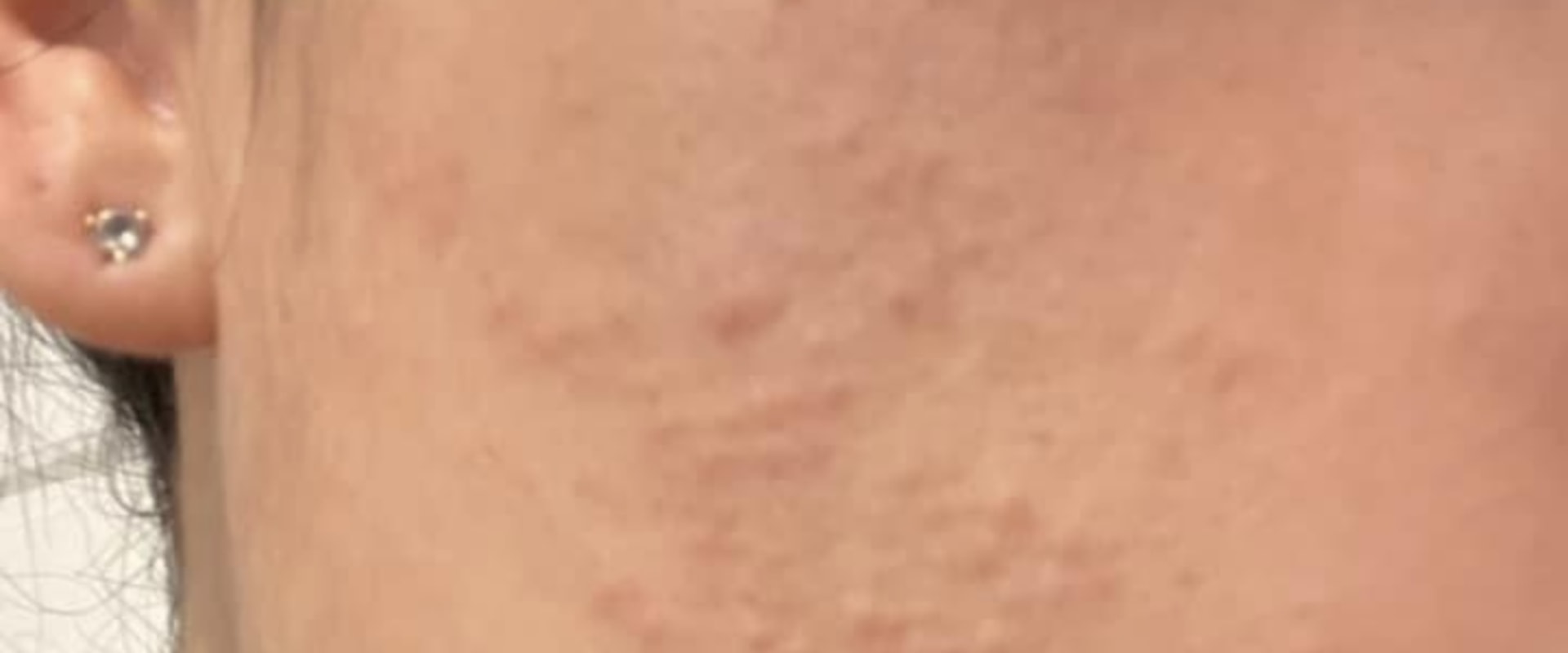
Morpheus8 has rapidly gained traction in the realm of cosmetic procedures, becoming a go-to treatment for individuals seeking effective skin rejuvenation. This innovative technology combines microneedling with radiofrequency energy, targeting the deeper layers of the skin to stimulate collagen production and promote a more youthful appearance. As people become increasingly aware of their skin health and aesthetics, Morpheus8 stands out for its ability to address various concerns, including fine lines, wrinkles, and sagging skin.The procedure is minimally invasive, making it an attractive option for those who wish to avoid the downtime associated with more traditional surgical methods. Patients often report noticeable improvements in skin texture and firmness after just one session, which can last for several months.
This effectiveness has contributed to its popularity among both men and women looking to enhance their natural beauty without undergoing extensive recovery periods.However, as with any cosmetic treatment, it is essential to consider the potential risks involved. While Morpheus8 is generally well-tolerated, some individuals may experience side effects or even allergic reactions. Understanding how Morpheus8 works and what to expect can help patients make informed decisions about their skincare journey. In the following sections, we will delve deeper into the specifics of Morpheus8, including its benefits, potential side effects, and the importance of proper aftercare to ensure optimal results.This effectiveness has contributed to its popularity among both men and women looking to enhance their natural beauty without undergoing extensive recovery periods.However, as with any cosmetic treatment, it is essential to consider the potential risks involved. While Morpheus8 is generally well-tolerated, some individuals may experience side effects or even allergic reactions. Understanding how Morpheus8 works and what to expect can help patients make informed decisions about their skincare journey. In the following sections, we will delve deeper into the specifics of Morpheus8, including its benefits, potential side effects, and the importance of proper aftercare to ensure optimal results.
What is Morpheus8?
Morpheus8
is a cutting-edge skin treatment that combines the benefits of microneedling with radiofrequency energy to promote skin rejuvenation and tightening.
This innovative procedure is designed to target various skin concerns, including fine lines, wrinkles, sagging skin, and uneven texture. By delivering controlled energy deep into the dermis, Morpheus8 stimulates collagen production, which is essential for maintaining youthful and healthy skin.The Morpheus8 procedure involves the use of a device equipped with tiny needles that penetrate the skin at varying depths. As these needles create micro-injuries, the radiofrequency energy is simultaneously delivered, enhancing the body’s natural healing response. This dual-action approach not only improves the appearance of the skin but also encourages long-term benefits as collagen continues to regenerate over time.One of the significant advantages of Morpheus8 is its versatility.
It can be used on various areas of the body, including:
- Face
- Neck
- Décolletage
- Abdomen
- Thighs
- Arms
Common Side Effects of Morpheus8
After undergoing a Morpheus8 treatment, it is essential to be aware of the common side effects that may arise.Understanding these effects can help you manage your expectations and prepare for the recovery process.One of the most frequently reported side effects is redness , also known as erythema. This is a natural response of the skin to the microneedling and radiofrequency energy used during the procedure. The redness typically subsides within a few hours to a couple of days, depending on individual skin sensitivity.
Swelling
is another common post-treatment symptom. Patients may notice mild swelling in the treated areas, which can last for several days.
This swelling is usually not severe and can be alleviated with cool compresses applied gently to the skin.In addition to redness and swelling, some individuals may experience bruising. This occurs when tiny blood vessels are disrupted during the treatment process. While bruising can be concerning, it generally resolves within a week or two. To minimise bruising, it is advisable to avoid blood-thinning medications and alcohol in the days leading up to your appointment.Another potential side effect is temporary tingling or numbness in the treated area.
This sensation is usually mild and should dissipate shortly after the procedure. However, if these symptoms persist or worsen, it is crucial to consult your practitioner.While these side effects are typically mild and resolve on their own, it is important to follow proper aftercare instructions provided by your practitioner. This may include:
- Avoiding sun exposure and using sunscreen diligently.
- Keeping the treated area clean and moisturised.
- Avoiding harsh skincare products or treatments for at least a week.
- Staying hydrated and maintaining a healthy diet to support skin healing.
Can You Have an Allergic Reaction to Morpheus8?
When considering Morpheus8 as a skin treatment option, it is crucial to understand the potential for allergic reactions.While the procedure is generally safe, some individuals may experience adverse effects due to allergies to specific components used during the treatment.Allergic reactions can arise from various elements involved in the Morpheus8 procedure, including topical anaesthetics, serums, or even the materials used in the microneedling process. Common allergens in cosmetic treatments include:
- Topical Anaesthetics: Many practitioners use local anaesthetics to minimise discomfort during the procedure. Ingredients such as lidocaine can trigger allergic responses in sensitive individuals.
- Skin Care Products: Pre- and post-treatment products may contain preservatives, fragrances, or other chemicals that could provoke an allergic reaction.
- Metals: If any metal components are used in the microneedling device, patients with metal allergies may experience reactions.
- Redness and Swelling: While mild swelling is a typical side effect of the treatment, an allergic reaction may cause more pronounced inflammation.
- Itching or Rash: Patients may develop hives or a rash in response to allergens.
- Blistering: In severe cases, blisters may form at the treatment site.
- Difficulty Breathing: Although rare, some individuals may experience respiratory issues if they have a severe allergy.
Early intervention can help manage symptoms effectively and prevent complications. Additionally, discussing any known allergies with your practitioner before undergoing treatment can help mitigate risks and ensure a safer experience.In conclusion, while allergic reactions to Morpheus8 are not common, they can occur due to various allergens associated with the procedure. Being informed about potential allergens and their symptoms can empower patients to make safer choices regarding their skin treatments.
Identifying Allergic Reactions: Symptoms and Signs
After undergoing a Morpheus8 treatment, it is crucial to be vigilant for any signs of an allergic reaction. While most individuals tolerate the procedure well, some may experience adverse effects that warrant attention.Recognising these symptoms early can facilitate timely intervention and prevent further complications.
Common Symptoms of Allergic Reactions
- Redness and Swelling: While mild redness and swelling are typical post-treatment effects, an exaggerated response may indicate an allergy. If the area becomes increasingly inflamed or the redness spreads beyond the treated zone, it is essential to consult a healthcare professional.
- Itching or Rash: An itchy sensation or the development of a rash can signify an allergic reaction. This may manifest as small bumps or hives on the skin, which can be uncomfortable and distressing.
- Blistering: The formation of blisters in the treated area is a more severe reaction that requires immediate medical attention. Blisters can lead to further complications if not addressed promptly.
- Skin Discolouration: Changes in skin pigmentation, such as darkening or lightening of the skin, can occur after Morpheus8 treatment.
If these changes are sudden or pronounced, they may indicate an allergic response.
- Fever or Chills: Although less common, systemic symptoms like fever or chills following a treatment could suggest a more serious allergic reaction or infection.
When to Seek Medical Attention
If you experience any of the above symptoms, particularly if they worsen over time or do not subside within a few days, it is advisable to seek medical advice. Early intervention can help manage symptoms effectively and prevent potential complications.In summary, while Morpheus8 is generally safe and well-tolerated, being aware of the signs of allergic reactions is vital for ensuring your safety and well-being. Always communicate openly with your practitioner about any concerns you may have before and after your treatment.
Risk Factors for Allergic Reactions to Morpheus8
When considering Morpheus8 as a skin treatment option, it is crucial to understand the risk factors that may increase the likelihood of experiencing an allergic reaction. While this innovative procedure is generally safe, certain individuals may be more susceptible to adverse effects due to various pre-existing conditions and other factors.1.Pre-existing Allergies
- Individuals with a history of allergies, particularly to skincare products or cosmetic procedures, may be at a higher risk for allergic reactions to Morpheus8. This includes those who have experienced reactions to ingredients commonly found in topical anaesthetics or post-treatment skincare.
2.Skin Sensitivity
- People with sensitive skin or conditions such as eczema or psoriasis may find that their skin reacts more intensely to treatments like Morpheus8. This heightened sensitivity can lead to increased redness, swelling, or even allergic responses.
3.Autoimmune Disorders
- Those with autoimmune disorders may have an altered immune response, making them more prone to unexpected reactions following cosmetic procedures.
Conditions such as lupus or rheumatoid arthritis can affect how the body responds to treatments like Morpheus8.
4.Medications
- Certain medications can influence the body's reaction to skin treatments. For instance, individuals taking immunosuppressants or anticoagulants may experience heightened risks of complications, including allergic reactions.
5.Age and Skin Type
- Age can also play a role in how the skin reacts to treatments. Older adults may have thinner skin and reduced elasticity, which can lead to increased sensitivity and a higher likelihood of adverse reactions.
- Additionally, different skin types (oily, dry, combination) can react differently to the microneedling process involved in Morpheus8.
6.Consultation with Professionals
Before undergoing Morpheus8 treatment, it is essential for patients to discuss their medical history and any concerns with a qualified practitioner. A thorough consultation can help identify potential risk factors and ensure that appropriate precautions are taken.By understanding these risk factors, patients can make informed decisions about whether Morpheus8 is the right choice for them and take necessary steps to mitigate any potential allergic reactions.
How to Minimise the Risk of Allergic Reactions
Undergoing a Morpheus8 treatment can be an exciting step towards achieving your desired skin goals.However, it is essential to take certain precautions to minimise the risk of allergic reactions and ensure a smooth recovery process. Here are some practical tips to help you prepare for your treatment and care for your skin afterwards.
Pre-Treatment Precautions
- Consultation with a Qualified Practitioner: Before undergoing Morpheus8, schedule a thorough consultation with a qualified practitioner. Discuss your medical history, including any known allergies, skin conditions, or previous reactions to cosmetic treatments. This information will help your practitioner tailor the treatment to your specific needs.
- Patch Testing: If you have a history of skin sensitivities or allergies, ask your practitioner about performing a patch test.
This involves applying a small amount of the treatment product to a discreet area of your skin to check for any adverse reactions before proceeding with the full treatment.
- Avoid Certain Medications: Some medications, particularly blood thinners and anti-inflammatory drugs, can increase the risk of bruising and swelling. Consult your healthcare provider about any medications you are taking and whether you should pause them before the procedure.
- Skin Preparation: In the days leading up to your treatment, focus on maintaining healthy skin. Use gentle cleansers and moisturisers, and avoid harsh exfoliants or products containing retinoids that may irritate your skin.
Post-Treatment Care
- Follow Aftercare Instructions: Adhering to the aftercare instructions provided by your practitioner is crucial. This may include avoiding sun exposure, refraining from strenuous exercise, and using specific skincare products that promote healing.
- Hydration: Keep your skin well-hydrated post-treatment.
Use a gentle moisturiser to soothe any dryness or irritation that may occur as your skin heals.
- Avoid Irritants: For at least a week after your Morpheus8 treatment, avoid using products that contain alcohol, fragrances, or other potential irritants that could provoke an allergic reaction.
- Sunscreen Application: Protecting your skin from UV rays is vital after any cosmetic procedure. Apply a broad-spectrum sunscreen with at least SPF 30 daily to shield your healing skin from sun damage.
What to Do If You Experience an Allergic Reaction After Treatment?
Experiencing an allergic reaction after undergoing Morpheus8 treatment can be concerning. While most side effects are mild and temporary, it is crucial to know how to respond if you suspect an allergic reaction.Recognising Symptoms
Allergic reactions can manifest in various ways.
Common symptoms to watch for include:
- Severe redness or rash that extends beyond the treated area.
- Swelling that is disproportionate or persists longer than expected.
- Itching or a burning sensation that is uncomfortable.
- Bumps or hives appearing on the skin.
- Difficulty breathing, which may indicate a more severe reaction.
Initial Steps to Take
1.
Stay Calm:
Anxiety can exacerbate symptoms, so try to remain composed.2.Clean the Area:
Gently cleanse the affected area with mild soap and water to remove any potential irritants.3.Apply a Cold Compress:
This can help reduce swelling and soothe irritation. Use a clean cloth soaked in cold water or an ice pack wrapped in a towel.4.Avoid Scratching:
It may be tempting, but scratching can worsen the reaction and lead to infection.When to Seek Medical Help
If symptoms persist or worsen, it is vital to seek medical attention promptly. You should contact a healthcare professional if:
- The swelling spreads significantly or affects your face, lips, or throat.
- You experience difficulty breathing, wheezing, or tightness in your chest.
- The rash becomes increasingly painful or shows signs of infection, such as pus or increased warmth.
- You develop fever or chills alongside other symptoms.
Emergency Response
If you experience severe symptoms such as difficulty breathing or swelling of the face and throat, call emergency services immediately. Anaphylaxis is a life-threatening condition that requires urgent medical intervention.
Treatment Options
Your healthcare provider may recommend treatments such as:
- Antihistamines: These can help alleviate mild allergic reactions by reducing itching and swelling.
- Corticosteroids: For more severe reactions, corticosteroids may be prescribed to reduce inflammation.
- Epinephrine: In cases of anaphylaxis, an epinephrine injection may be necessary to counteract severe allergic responses.
Always consult with your practitioner about any concerns you may have before undergoing the procedure.
Consulting with Your Practitioner: Questions to Ask Before Treatment
Before undergoing any cosmetic procedure, including Morpheus8, it is crucial to have a thorough consultation with your practitioner. This not only helps you understand the treatment better but also allows you to assess the practitioner's expertise and approach. Here are some essential questions to consider asking during your consultation:- What qualifications and experience do you have with Morpheus8?
Understanding your practitioner's background is vital. Ask about their training, certifications, and how many Morpheus8 procedures they have performed.This will give you confidence in their ability to deliver safe and effective results.
- Can you explain the Morpheus8 procedure in detail?
Request a comprehensive overview of what the treatment entails, including the technology used, the process itself, and what you can expect during and after the procedure. A knowledgeable practitioner should be able to provide clear and detailed information. - What are the potential side effects or risks associated with Morpheus8?
While many side effects are mild, it’s important to discuss all possible risks, including allergic reactions, skin irritation, or more severe complications. Understanding these risks will help you make an informed decision. - How should I prepare for the treatment?
Inquire about any pre-treatment guidelines you should follow, such as avoiding certain medications or skincare products. Proper preparation can significantly enhance your results and reduce complications. - What post-treatment care will I need?
Ask about aftercare instructions to ensure optimal healing and results.This may include recommendations for skincare products, sun protection, and activities to avoid.
- What results can I realistically expect?
Discuss your goals and ask for realistic expectations regarding outcomes. A reputable practitioner will provide honest feedback about what Morpheus8 can achieve for your specific skin concerns. - Are there any alternatives to Morpheus8 that might be suitable for me?
It’s beneficial to explore other options that may address your concerns more effectively or safely. Your practitioner should be open to discussing alternative treatments if necessary.
<strong>Conclusion</strong>
In summary, while Morpheus8 is generally considered a safe and effective treatment for skin rejuvenation, it is essential to acknowledge the potential for allergic reactions and other side effects.Understanding these risks can help patients make informed decisions about their skincare options.Allergic reactions to Morpheus8 can occur, although they are relatively rare. These reactions may stem from the materials used during the procedure, such as topical anaesthetics or serums applied to the skin. Symptoms of an allergic reaction can include:
- Itching or rash in the treated area
- Swelling beyond the expected post-treatment inflammation
- Redness that persists longer than typical
- Blisters or hives on the skin
- Difficulty breathing , in severe cases
Discussing any known allergies or sensitivities prior to the procedure can significantly reduce the risk of adverse reactions.In conclusion, while Morpheus8 offers promising results for skin rejuvenation, being aware of potential allergic reactions and side effects is essential. With proper care and attention, most patients can enjoy the benefits of this innovative treatment with minimal risk.