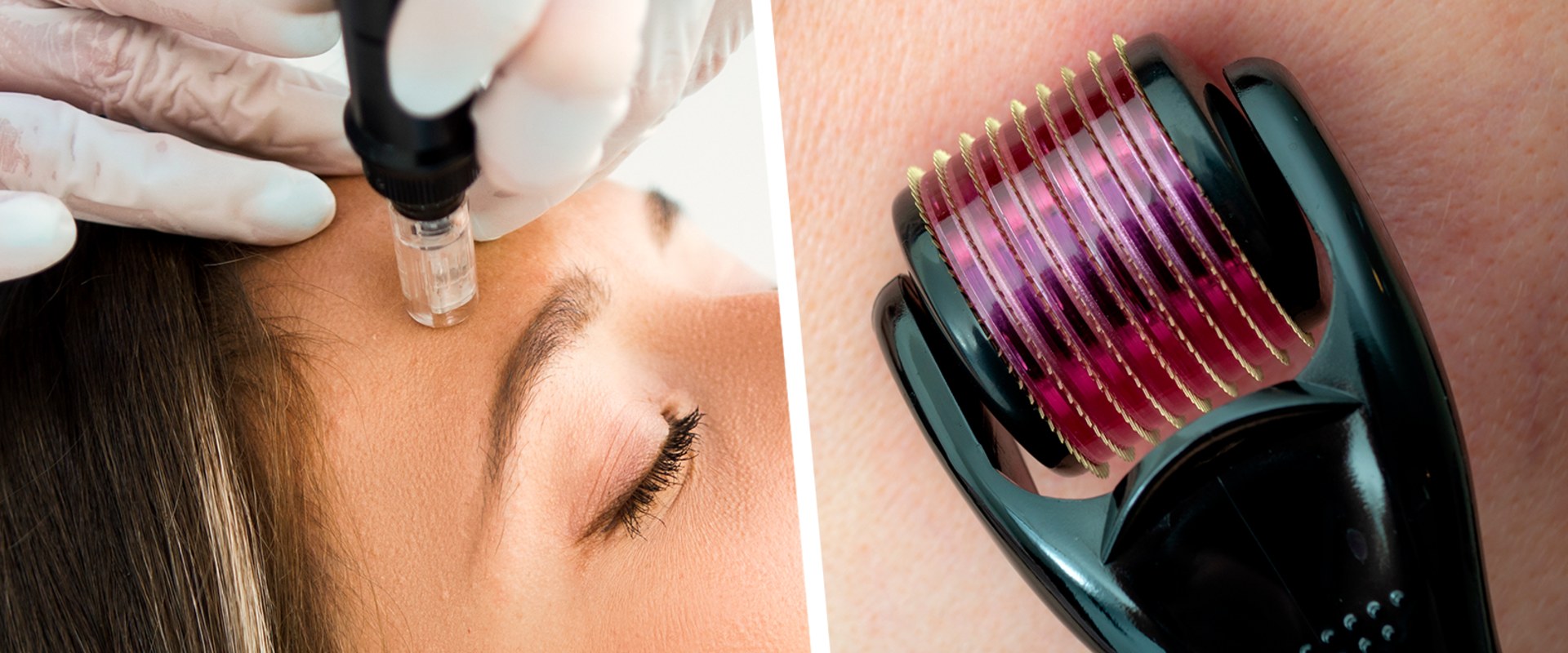
Microneedling has emerged as a popular cosmetic procedure, renowned for its ability to rejuvenate the skin and address various skin concerns. This minimally invasive technique involves the use of fine needles to create micro-injuries in the skin, stimulating the body’s natural healing processes and promoting collagen production. Among the various devices available for microneedling, Morpheus8 stands out due to its unique combination of microneedling and radiofrequency energy. This innovative approach not only enhances the effectiveness of traditional microneedling but also allows for deeper penetration into the skin layers, targeting both superficial and deeper tissues.The appeal of Morpheus8 lies in its versatility; it can be used to treat a range of issues, from fine lines and wrinkles to acne scars and uneven skin texture.
However, as with any cosmetic procedure, it is essential to consider the potential risks involved. While most patients experience only mild side effects such as redness or swelling post-treatment, there are concerns regarding more serious complications, including nerve damage. Understanding these risks is crucial for anyone considering this treatment.When performed by a qualified professional who possesses a thorough understanding of facial anatomy, the likelihood of nerve damage during microneedling with Morpheus8 is significantly reduced. Nevertheless, it is vital for patients to be aware that improper technique or excessive depth can lead to unintended consequences. However, as with any cosmetic procedure, it is essential to consider the potential risks involved. While most patients experience only mild side effects such as redness or swelling post-treatment, there are concerns regarding more serious complications, including nerve damage. Understanding these risks is crucial for anyone considering this treatment.When performed by a qualified professional who possesses a thorough understanding of facial anatomy, the likelihood of nerve damage during microneedling with Morpheus8 is significantly reduced. Nevertheless, it is vital for patients to be aware that improper technique or excessive depth can lead to unintended consequences.
As we delve deeper into this topic, we will explore how Morpheus8 works, the safety measures that should be taken, and what patients can do to mitigate risks while achieving their desired aesthetic outcomes.
What is Microneedling?
Microneedling, also known as collagen induction therapy, is a minimally invasive cosmetic procedure designed to enhance skin rejuvenation. This technique involves the use of fine needles to create micro-injuries in the skin, stimulating the body’s natural healing processes and promoting collagen and elastin production. The result is a more youthful, vibrant complexion with improved texture and tone.The primary purpose of microneedling is to address various skin concerns, including fine lines, wrinkles, acne scars, enlarged pores, and overall skin laxity. By encouraging the skin to repair itself, microneedling can lead to significant improvements in the appearance of these issues over time.During a typical microneedling session, a trained practitioner uses a device equipped with multiple tiny needles that penetrate the skin at controlled depths.The depth of penetration can vary based on the specific treatment goals and the area being treated. For instance, superficial treatments may only require a depth of 0.25 mm, while more intensive procedures might go as deep as 3 mm.There are several techniques employed in microneedling:
- Manual Microneedling: This method involves using a handheld device with a cluster of needles. The practitioner manually moves the device across the skin to create micro-injuries.
- Motorized Microneedling: In this technique, an electric pen-like device rapidly punctures the skin at predetermined depths. This method allows for greater precision and speed.
- Combination Treatments: Some practitioners may combine microneedling with other treatments such as platelet-rich plasma (PRP) therapy or topical serums to enhance results further.
Understanding how microneedling works and its potential benefits can help individuals make informed decisions about their skincare treatments.
Understanding Morpheus8: A Unique Microneedling Device
The Morpheus8 device represents a significant advancement in the field of microneedling technology, combining traditional techniques with innovative radiofrequency (RF) energy. This dual-action approach not only enhances the effectiveness of the treatment but also broadens its applications in skin rejuvenation and tightening.Unlike conventional microneedling, which primarily focuses on creating micro-injuries to stimulate collagen production, Morpheus8 penetrates deeper into the skin layers while simultaneously delivering RF energy. This unique combination allows for more comprehensive skin remodeling, targeting both the superficial and deeper dermal layers. The result is a more effective treatment for various skin concerns, including fine lines, wrinkles, and sagging skin.One of the standout benefits of the Morpheus8 device is its ability to stimulate collagen and elastin production at multiple depths.The adjustable needle depth, ranging from 0.5 mm to 4 mm, enables practitioners to tailor treatments according to individual skin types and concerns. This versatility makes it suitable for a wide range of patients, from those seeking minor improvements to those requiring more intensive rejuvenation.Moreover, the RF energy delivered during the procedure promotes tighter skin by heating the underlying tissues, which encourages further collagen synthesis over time. This thermal effect not only enhances immediate results but also contributes to long-term skin health and elasticity.In addition to its aesthetic benefits, Morpheus8 is also known for its minimal downtime compared to traditional microneedling methods. Patients typically experience only mild redness and swelling post-treatment, which usually subsides within a few days.
This makes it an appealing option for individuals with busy lifestyles who wish to avoid prolonged recovery periods.Furthermore, Morpheus8 can be effectively used on various areas of the body, including the face, neck, and even delicate regions like around the eyes. Its precision allows for targeted treatments that can address specific concerns without affecting surrounding tissues.In summary, the Morpheus8 device stands out in the realm of microneedling technology due to its innovative combination of microneedling and radiofrequency energy. With its ability to deliver tailored treatments that promote significant skin rejuvenation with minimal downtime, it has become a preferred choice for many seeking effective solutions for their skin concerns.
Potential Risks Associated with Microneedling
Microneedling, while widely regarded as an effective treatment for various skin concerns, does come with its share of potential risks and side effects. Understanding these risks is crucial for anyone considering the procedure, especially when it comes to more serious complications such as nerve damage.One of the most common side effects following a microneedling session is temporary redness.This is akin to a mild sunburn and typically subsides within a few hours to a couple of days. Other common reactions include:
- Peeling : As the skin heals, it may begin to flake or peel, which is a normal part of the regeneration process.
- Dryness : Post-treatment, the skin can feel dry and tight, necessitating the use of moisturisers to alleviate discomfort.
- Swelling : Some individuals may experience slight swelling in the treated areas, which usually resolves quickly.
- Infection : If proper hygiene practices are not followed during the procedure, there is a risk of bacterial infection.
- Scarring : In rare cases, improper technique or excessive depth can lead to scarring.
- Hyperpigmentation : Some individuals may notice dark patches on their skin post-treatment, particularly those with darker skin tones.
- Nerve Damage : Although rare, nerve injury can occur if the needles penetrate too deeply or if the procedure is performed by an inexperienced practitioner. This can result in persistent pain or numbness in the affected area.
They will be able to determine the appropriate needle depth and technique to minimise risks. Additionally, if you experience any unusual symptoms such as excessive bleeding, prolonged irritation, or signs of infection after your treatment, it is vital to seek medical advice promptly.In summary, while microneedling offers numerous benefits for skin rejuvenation, it is not without its risks. Being informed about potential side effects and complications can help you make a more educated decision about whether this treatment is right for you.
Can Microneedling Cause Nerve Damage?
Microneedling, particularly with advanced devices like Morpheus8, has gained popularity for its ability to rejuvenate the skin and address various concerns such as fine lines, acne scars, and overall texture. However, a common question that arises is whether this procedure can lead to nerve damage.While nerve damage is a potential risk associated with microneedling, it is important to understand the circumstances under which this can occur.Nerve injury is generally considered rare, especially when the procedure is performed by a qualified and experienced practitioner. The depth of needle penetration plays a crucial role in determining the safety of the treatment. Microneedling devices can vary in needle length, typically ranging from 0.25 mm to 3 mm. Deeper penetration increases the risk of reaching underlying nerves, particularly in areas where the skin is thinner or more sensitive.To mitigate the risk of nerve damage, it is essential to consult with a healthcare provider who has a thorough understanding of facial anatomy and microneedling techniques.
A skilled practitioner will assess your individual skin type and concerns, tailoring the treatment accordingly to avoid areas where nerves are more likely to be affected.Post-treatment side effects such as redness, swelling, and minor discomfort are common and usually resolve within a few days. However, if you experience more severe symptoms like persistent numbness, tingling, or pain that lasts beyond the initial recovery period, it is crucial to seek medical advice promptly. These symptoms could indicate an adverse reaction or nerve involvement that requires further evaluation.In summary, while nerve damage from microneedling is possible, it is largely preventable through proper technique and practitioner expertise. Ensuring that you choose a reputable provider who prioritises safety can significantly reduce your risk and enhance your overall experience with microneedling treatments.
Factors Influencing the Risk of Nerve Damage in Microneedling
When considering the safety of microneedling, particularly with advanced techniques like Morpheus8, it is essential to understand the various factors that can influence the risk of nerve damage.While microneedling is generally safe when performed correctly, certain elements can heighten the potential for complications.
1.Needle Depth
The depth at which the needles penetrate the skin is a critical factor in determining the risk of nerve damage. Microneedling devices can vary significantly in their needle lengths, typically ranging from 0.25 mm to 3 mm. Shallower depths are generally safer and primarily target the epidermis, while deeper penetration can reach the dermis and potentially affect underlying structures, including nerves.For instance, Morpheus8 combines microneedling with radiofrequency energy, allowing for deeper tissue remodeling. While this can enhance results, it also necessitates a more cautious approach to avoid damaging nerves located deeper within the skin layers.
Practitioners must carefully assess the treatment area and select an appropriate needle depth based on individual anatomy and skin condition.
2.Provider Experience
The expertise of the practitioner performing the microneedling procedure plays a significant role in minimising risks. An experienced provider will have a thorough understanding of facial anatomy and will be adept at identifying critical structures such as nerves and blood vessels. This knowledge is crucial for ensuring that the treatment is both effective and safe.Choosing a qualified professional who has undergone extensive training in microneedling techniques, particularly with devices like Morpheus8, can greatly reduce the likelihood of complications. It is advisable to review a practitioner’s credentials, experience, and patient testimonials before undergoing treatment.
3.Skin Condition and Treatment Area
The condition of the skin being treated also influences the risk of nerve damage.
Areas with thinner skin or those that are more sensitive may be more susceptible to injury during microneedling. Additionally, pre-existing conditions such as scarring or inflammation can complicate treatment and increase risks.In summary, while microneedling offers numerous benefits for skin rejuvenation, understanding factors such as needle depth, provider experience, and skin condition is vital for minimising the risk of nerve damage. By prioritising safety and choosing skilled practitioners, patients can enjoy effective treatments with reduced complications.
Signs and Symptoms of Nerve Damage After Microneedling
After undergoing a microneedling procedure, it is crucial to be vigilant about any signs or symptoms that may indicate potential nerve damage. While most individuals experience mild side effects such as redness and swelling, certain symptoms can signal more serious complications.Common Symptoms of Nerve Damage
- Persistent Numbness: If you notice a continuous feeling of numbness in the treated area, this could be a sign of nerve injury.
Unlike the temporary numbness that may occur immediately after treatment, persistent numbness should be evaluated by a healthcare professional.
- Chronic Pain: Experiencing ongoing pain that does not subside with time can indicate nerve damage. This pain may manifest as sharp, shooting sensations or a dull ache.
- Altered Sensation: Changes in sensation, such as heightened sensitivity or a tingling feeling, can also suggest nerve involvement. If these sensations are unusual for you and persist beyond the initial recovery period, it is essential to seek medical advice.
- Muscle Weakness: In some cases, nerve damage can lead to weakness in the muscles surrounding the treatment area. If you find it difficult to move certain muscles or experience a lack of coordination, this warrants immediate attention.
- Swelling and Bruising: While some swelling is expected post-treatment, excessive swelling or bruising that does not improve over time may indicate deeper tissue injury.
Monitoring Post-Treatment
It is vital to monitor your condition closely after microneedling.
Keeping a record of any symptoms you experience can help your healthcare provider assess your situation more effectively. If you notice any of the above symptoms, do not hesitate to contact your practitioner for guidance.
Post-Treatment Care
Proper post-treatment care is essential for minimising risks and promoting healing. Follow your provider's aftercare instructions diligently, which may include:
- Avoiding sun exposure and using sunscreen to protect the skin.
- Refraining from using harsh skincare products that could irritate the skin.
- Keeping the treated area clean and moisturised to support recovery.
How to Minimise Risks During Microneedling Treatments
Microneedling, while generally safe, does carry certain risks that can be minimised with careful planning and execution. Here are some essential strategies to ensure a safer microneedling experience.1.Choose a Qualified Provider
- When selecting a provider for your microneedling treatment, it is crucial to choose someone with extensive training and experience in dermatology or aesthetic procedures.
Look for professionals who are certified and have a solid track record in performing microneedling.
- Check reviews and testimonials from previous clients to gauge their satisfaction and the provider's expertise. A reputable practitioner will be transparent about their qualifications and will be happy to share before-and-after photos of past treatments.
- Ask about the specific techniques they use, including the type of device (such as Morpheus8) and the depth of needle penetration. Understanding these details can help you assess the safety of the procedure.
2.Understand Treatment Protocols
- Before undergoing treatment, ensure you have a thorough consultation with your provider. This should include a discussion about your medical history, skin type, and any medications you are currently taking that may affect healing.
- Your provider should explain the procedure in detail, including what to expect during and after treatment.
This transparency helps you prepare mentally and physically for the process.
- Inquire about the aftercare protocols that will be recommended post-treatment. Proper aftercare is vital for minimising complications and ensuring optimal results.
3.Follow Pre- and Post-Treatment Guidelines
- Adhering to pre-treatment guidelines can significantly reduce risks. This may include avoiding blood thinners, certain skincare products, or sun exposure prior to your appointment.
- Post-treatment care is equally important. Follow your provider's instructions regarding skincare routines, sun protection, and any products to avoid during the healing process.
4.Monitor Your Skin's Response
- After treatment, keep an eye on how your skin reacts.
While some redness and swelling are normal, persistent pain or unusual symptoms should prompt immediate contact with your provider.
- If you experience any severe side effects such as excessive bleeding or signs of infection, seek medical attention promptly to address these issues before they escalate.
Frequently Asked Questions About Microneedling and Nerve Damage
Microneedling, particularly with advanced devices like Morpheus8, has gained popularity for its ability to rejuvenate the skin. However, many potential patients have concerns regarding the safety of the procedure, especially regarding nerve damage. Below are some frequently asked questions that can help clarify these concerns.What is microneedling?
Microneedling is a minimally invasive cosmetic procedure that involves using fine needles to create micro-injuries in the skin. This process stimulates the body’s natural healing response, promoting collagen and elastin production, which can improve skin texture and reduce signs of aging.Can microneedling cause nerve damage?
While nerve damage is a potential risk associated with microneedling, it is considered rare when performed by a qualified professional.The risk increases if the procedure is conducted too deeply or aggressively. Devices like Morpheus8 are designed to target specific skin layers while minimising damage to surrounding tissues, including nerves.
What are the common side effects of microneedling?
- Redness: Similar to a mild sunburn, this typically subsides within a few days.
- Swelling: Some patients may experience slight swelling in the treated area.
- Dryness and peeling: As the skin heals, it may become dry and start to peel.
- Pain or discomfort: Mild discomfort can occur during and after the procedure but usually resolves quickly.
What should I do if I experience severe side effects?
If you notice any severe side effects such as persistent pain, excessive bleeding, or signs of infection, it is crucial to contact your healthcare provider immediately. These symptoms may indicate complications that require prompt attention.How can I ensure my safety during microneedling?
The best way to ensure safety during microneedling is to choose a qualified and experienced practitioner. Look for professionals who are certified and have a thorough understanding of skin anatomy and the specific device being used, such as Morpheus8.Always discuss your medical history and any concerns you may have prior to the procedure.In conclusion, while there are risks associated with microneedling, particularly concerning nerve damage, these can be mitigated by selecting a skilled provider and adhering to post-treatment care guidelines. Understanding these aspects can help you make an informed decision about whether this treatment is right for you.
Conclusion: Weighing the Benefits Against Risks in Microneedling Treatments
In conclusion, the decision to undergo microneedling treatments, particularly with advanced techniques like Morpheus8, requires careful consideration of both the potential benefits and associated risks. While microneedling can offer significant improvements in skin texture, tone, and overall appearance, it is essential to approach the procedure with a well-informed mindset.One of the primary advantages of microneedling is its ability to stimulate collagen production, which can lead to firmer and more youthful-looking skin. Additionally, treatments like Morpheus8 combine traditional microneedling with radiofrequency energy, enhancing results by targeting deeper layers of the skin.This dual-action approach can effectively address various skin concerns, including fine lines, wrinkles, and acne scars.However, as highlighted throughout this article, there are inherent risks involved in microneedling procedures. Although nerve damage is rare, it remains a possibility, particularly if the treatment is performed by an inexperienced practitioner or if inappropriate needle depths are used. Other potential side effects may include redness, swelling, and temporary discomfort. It is crucial to consult with a qualified healthcare provider who understands the anatomy of the treatment area and can tailor the procedure to your specific needs.Moreover, patients should be aware of their own skin type and any pre-existing conditions that may affect healing or increase the likelihood of complications.
Engaging in thorough discussions with your provider about your medical history and aesthetic goals will help ensure a safer experience.Ultimately, informed decision-making is key when considering microneedling treatments. Weighing the benefits against the risks will empower you to make choices that align with your personal health and beauty objectives. Always prioritise safety by selecting a reputable clinic and experienced practitioners to achieve optimal results while minimising potential adverse effects.