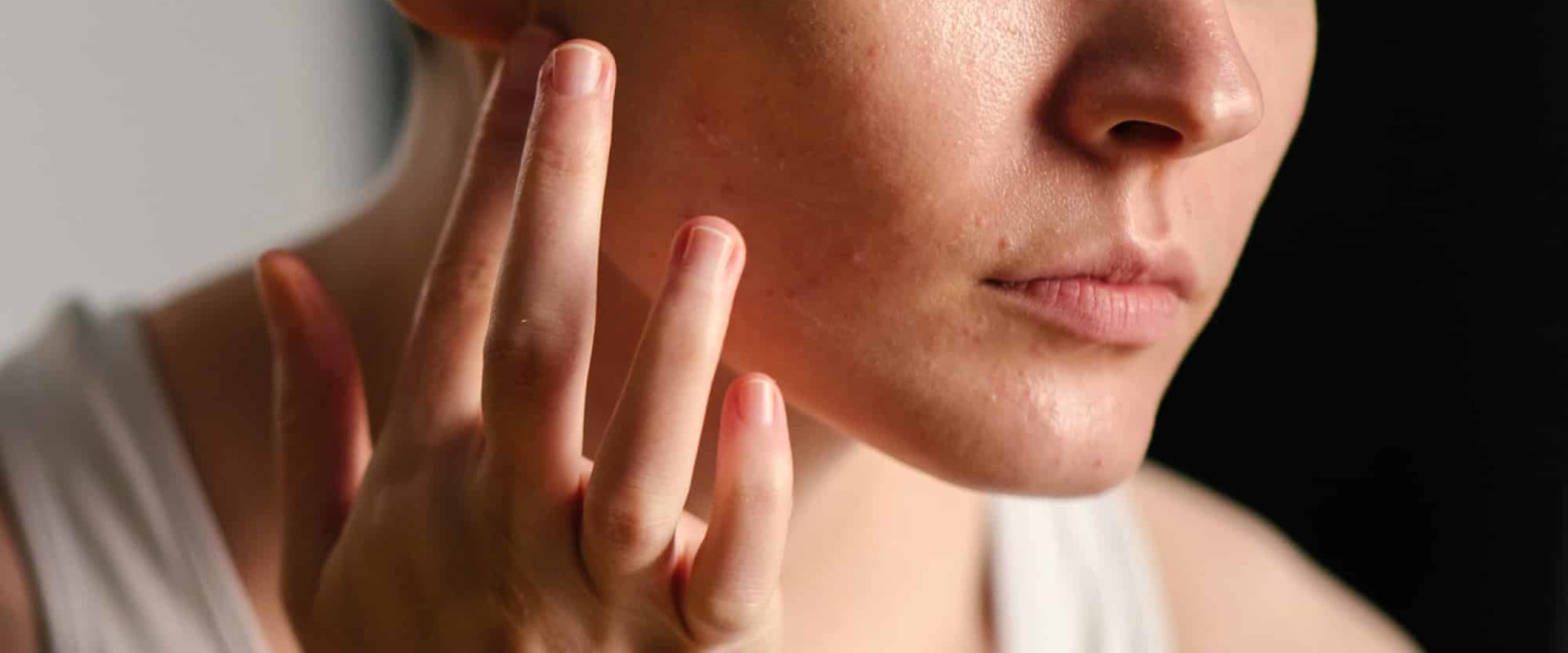
Morpheus8 is an innovative treatment that has gained significant traction in the realm of skin rejuvenation. This advanced procedure combines the principles of microneedling with radiofrequency energy, creating a powerful tool for addressing various skin concerns. As individuals seek effective solutions for wrinkles, fine lines, and uneven skin texture, Morpheus8 stands out as a versatile option that promises noticeable results.The treatment works by delivering controlled energy deep into the skin layers, stimulating collagen production and promoting cellular regeneration. This dual-action approach not only enhances the skin's appearance but also improves its overall health.
Patients often report a more youthful and revitalised complexion following the procedure, making it a popular choice among those looking to enhance their natural beauty.As with any cosmetic treatment, understanding the potential risks associated with Morpheus8 is crucial. While many individuals experience positive outcomes, it is essential to be informed about possible side effects and complications. This knowledge empowers patients to make educated decisions regarding their skincare journey and ensures they are prepared for any eventualities that may arise during or after the treatment.In the following sections, we will delve deeper into the specific risks linked to Morpheus8 treatment, providing a comprehensive overview that will help prospective patients navigate their options with confidence.
What is Morpheus8?
Morpheus8 is an advanced aesthetic treatment that combines the benefits of microneedling with radiofrequency energy to rejuvenate the skin. This innovative procedure targets various skin concerns, including wrinkles, fine lines, and uneven texture, making it a popular choice among those seeking non-surgical solutions for skin enhancement.At its core, Morpheus8 works by delivering controlled energy through tiny needles that penetrate the skin's surface.This process stimulates collagen production and promotes tissue remodelling, resulting in firmer, smoother skin. The radiofrequency energy heats the deeper layers of the skin, which not only enhances collagen synthesis but also tightens the skin over time.One of the key benefits of Morpheus8 is its versatility. It can be used on various areas of the body, including the face, neck, and even delicate regions like around the eyes. Patients often report noticeable improvements in skin texture and tone after just one session, although optimal results are typically achieved after a series of treatments.Another significant advantage is that Morpheus8 is suitable for all skin types and tones.
Unlike some laser treatments that may not be safe for darker skin, Morpheus8's technology allows for effective treatment across a diverse range of patients without the risk of hyperpigmentation.Moreover, the downtime associated with Morpheus8 is minimal compared to more invasive procedures. Most individuals experience only mild redness and swelling post-treatment, which usually subsides within a few days. This makes it an appealing option for those with busy lifestyles who wish to avoid extended recovery periods.In summary, Morpheus8 stands out in the realm of aesthetic treatments due to its unique combination of microneedling and radiofrequency technology. Its ability to address multiple skin concerns while being safe for all skin types has contributed to its growing popularity among both practitioners and patients alike.
Common Risks and Side Effects of Morpheus8 Treatment
Morpheus8 treatment, while celebrated for its skin rejuvenation benefits, does come with a range of potential risks and side effects that patients should be aware of before undergoing the procedure.Understanding these risks can help individuals make informed decisions and prepare adequately for their treatment.One of the most frequently reported side effects of Morpheus8 is mild swelling in the treated areas. This swelling is typically a natural response to the micropuncture technique used during the procedure and usually subsides within a few days. Patients may also experience redness , which can resemble a mild sunburn. This redness is generally temporary and should diminish as the skin heals.In addition to swelling and redness, some patients may notice bruising at the treatment site.
This occurs due to the tiny needles penetrating the skin, which can cause minor trauma to blood vessels. While bruising can be concerning, it typically resolves within a week or two.Another potential risk associated with Morpheus8 is the possibility of skin irritation. This can manifest as dryness, flaking, or a sensation of tightness in the treated area. To alleviate these symptoms, practitioners often recommend using gentle moisturisers and avoiding harsh skincare products for a few days post-treatment.In rare instances, patients may experience more severe complications such as skin burns.
This risk is heightened if the device is not operated correctly or if the practitioner lacks sufficient experience. To mitigate this risk, it is crucial to choose a qualified professional who adheres to safety protocols.Furthermore, some individuals may have an allergic reaction to topical anaesthetics used during the procedure. Symptoms can include itching, rash, or swelling beyond what is typical for post-treatment recovery. If any unusual reactions occur, it is essential to contact your practitioner immediately.Overall, while Morpheus8 is considered safe for most individuals, being aware of these common risks and side effects can help patients prepare for their treatment journey.
Following all pre- and post-treatment care instructions provided by your practitioner will also play a significant role in minimising complications and ensuring optimal results.
Rare but Serious Risks of Morpheus8 Treatment
While Morpheus8 is widely regarded as a safe and effective treatment for skin rejuvenation, it is crucial to acknowledge that there are rare but serious risks associated with the procedure. Understanding these risks can help potential patients make informed decisions and ensure they choose a qualified practitioner.One of the most concerning risks is the potential for skin burns. This can occur if the device is not used correctly or if the practitioner lacks sufficient experience. The Morpheus8 device employs radiofrequency energy to stimulate collagen production, and if the energy is applied too intensely or for too long, it can lead to thermal injuries.Such burns may not only cause immediate discomfort but can also result in long-term skin damage, including scarring and pigmentation changes.In addition to skin burns, there is a risk of deeper tissue damage. The micropuncture technique used in Morpheus8 involves penetrating the skin at various depths. If the practitioner does not have a thorough understanding of facial anatomy or fails to adjust the treatment settings appropriately, there is a possibility of affecting underlying structures such as nerves or blood vessels. This could lead to complications such as numbness, prolonged swelling, or even vascular compromise.To mitigate these risks, it is essential to select a practitioner who is not only certified but also has extensive experience with Morpheus8 treatments.
During the initial consultation, patients should inquire about the practitioner’s qualifications, ask to see before-and-after photos of previous patients, and discuss any concerns regarding potential risks.Moreover, adhering to post-treatment care instructions is vital for minimising complications. Patients should avoid sun exposure and refrain from using harsh skincare products immediately after treatment. Following these guidelines can significantly reduce the likelihood of adverse effects.In summary, while Morpheus8 offers promising results for skin rejuvenation, it is important to be aware of the rare but serious risks involved. By choosing an experienced practitioner and following all recommended aftercare protocols, patients can enhance their chances of achieving optimal results while minimising potential complications.
Factors Influencing the Risks of Morpheus8 Treatment
When considering Morpheus8 treatment, it is essential to understand that various factors can significantly influence the associated risks.These factors range from the experience of the practitioner to individual patient characteristics, including skin type and overall health.
Practitioner Experience
The skill and experience of the practitioner performing the Morpheus8 treatment play a crucial role in minimising risks. A qualified professional with extensive training in aesthetic procedures will have a deeper understanding of skin anatomy and the intricacies of the treatment. They are more likely to:- Utilise appropriate settings on the device to ensure optimal results while reducing the risk of burns or other complications.
- Assess individual skin conditions accurately, tailoring the treatment plan to suit specific needs.
- Provide comprehensive pre- and post-treatment care instructions, which are vital for recovery and minimising side effects.
Skin Type Considerations
Another critical factor influencing the risks of Morpheus8 treatment is the patient's skin type. Different skin types react differently to treatments, and understanding these variations is essential for safe application.For instance:
- Oily Skin: Patients with oily skin may experience increased inflammation post-treatment, necessitating careful management to avoid complications.
- Sensitive Skin: Those with sensitive skin may be more prone to adverse reactions such as prolonged redness or irritation. A thorough consultation can help determine if Morpheus8 is suitable for them.
- Skin Tone: Individuals with darker skin tones may face a higher risk of hyperpigmentation following treatment. Practitioners should adjust their techniques accordingly to mitigate this risk.
How to Minimise Risks During Morpheus8 Treatment
To ensure a safe and effective Morpheus8 treatment, it is crucial to take proactive steps to minimise potential risks.Here are several key strategies to consider:
- Choose a Qualified Practitioner: The most important factor in minimising risks is selecting a qualified and experienced practitioner. Look for someone who is certified in aesthetic treatments and has specific training in Morpheus8. Check their credentials, read reviews, and ask for before-and-after photos of previous patients.
- Consultation: Prior to the treatment, schedule a thorough consultation with your practitioner. This is an opportunity to discuss your medical history, skin type, and any concerns you may have. A good practitioner will tailor the treatment plan to your individual needs and explain the procedure in detail.
- Follow Pre-Treatment Instructions: Adhering to pre-treatment guidelines can significantly reduce risks.
Your practitioner may advise you to avoid blood thinners, certain medications, or alcohol for a few days before the procedure. Following these instructions can help minimise bruising and swelling.
- Post-Treatment Care: After your Morpheus8 treatment, it is essential to follow all post-care instructions provided by your practitioner. This may include:
- Avoiding direct sunlight and using a broad-spectrum sunscreen to protect the treated area.
- Refraining from strenuous exercise or activities that may cause excessive sweating for at least 24 hours.
- Keeping the treated area clean and moisturised as advised.
- Avoiding harsh skincare products or treatments (like chemical peels) for a specified period.
- Monitor Your Skin: After the treatment, keep an eye on your skin for any unusual reactions. Mild redness and swelling are common, but if you experience severe pain, prolonged swelling, or signs of infection (such as pus or increased warmth), contact your practitioner immediately.
- Stay Hydrated: Drinking plenty of water before and after the treatment can help your skin recover more effectively.
Hydration supports overall skin health and can aid in the healing process.
Post-Treatment Care for Morpheus8 Patients
After undergoing Morpheus8 treatment, proper aftercare is crucial to ensure optimal healing and to minimise the risk of complications. Following the procedure, your skin may exhibit some redness, swelling, or sensitivity, which are normal responses. However, adhering to specific post-treatment guidelines can significantly enhance your recovery experience.Immediate Post-Treatment Care
In the first few days following your Morpheus8 session, consider the following care tips:- Avoid Touching the Treated Area: Refrain from touching or scratching the treated skin to prevent irritation and potential infection.
- Keep It Clean: Gently cleanse the area with a mild, non-irritating cleanser.
Avoid harsh scrubs or exfoliants for at least a week.
- Moisturise: Use a gentle moisturiser recommended by your practitioner to keep the skin hydrated and promote healing.
- Sun Protection: Protect your skin from direct sunlight. Apply a broad-spectrum sunscreen with an SPF of 30 or higher whenever you go outside.
Long-Term Skincare Considerations
As your skin heals, it’s essential to adopt a long-term skincare routine that supports recovery and enhances results:- Avoid Active Ingredients: For at least two weeks post-treatment, steer clear of products containing retinoids, alpha hydroxy acids (AHAs), or beta hydroxy acids (BHAs) as they can irritate sensitive skin.
- Hydration is Key: Continue to hydrate your skin with moisturisers that contain hyaluronic acid or glycerin to maintain moisture levels.
- Follow-Up Appointments: Attend any scheduled follow-up appointments with your practitioner to monitor your progress and address any concerns.
Frequently Asked Questions about Morpheus8 Risks
When considering Morpheus8 treatment, potential patients often have numerous questions regarding the associated risks. Addressing these concerns is crucial for ensuring informed decision-making and peace of mind.What are the most common side effects of Morpheus8?
- Swelling: Mild swelling is a typical response following the treatment, usually subsiding within a few days.
- Redness: Similar to swelling, redness in the treated area is common and generally temporary.
- Discomfort: Some patients may experience slight discomfort or a tingling sensation during and after the procedure.
Are there any serious risks associated with Morpheus8?
While serious complications are rare, they can occur.
Potential risks include:
- Skin Burns: If the device is not used correctly, there is a risk of burns to the skin, which can lead to scarring.
- Infection: As with any procedure that involves skin penetration, there is a slight risk of infection if post-treatment care instructions are not followed.
- Hyperpigmentation: Some individuals may experience changes in skin pigmentation, particularly those with darker skin tones.
How can I minimise the risks of Morpheus8?
The best way to reduce risks is to choose a qualified practitioner with extensive experience in performing Morpheus8. Additionally, adhering to all pre- and post-treatment guidelines provided by your practitioner is essential. This includes:
- Avoiding sun exposure before and after treatment.
- Using recommended skincare products to aid healing.
- Attending follow-up appointments to monitor your skin's recovery.
Is Morpheus8 safe for everyone?
Morpheus8 is generally safe for most individuals; however, those with certain medical conditions or skin types may need to consult their healthcare provider before proceeding. It’s vital to discuss your medical history and any concerns during your initial consultation.By addressing these frequently asked questions, potential patients can feel more confident in their understanding of Morpheus8 treatment and its associated risks.
Conclusion: Weighing the Risks and Benefits of Morpheus8 Treatment
In conclusion, while Morpheus8 treatment offers a promising solution for those seeking to enhance their skin's appearance by reducing wrinkles, scars, and other imperfections, it is essential to carefully consider the associated risks.Understanding these risks can empower individuals to make informed decisions about whether this treatment aligns with their personal health and aesthetic goals.As highlighted throughout this article, the most common side effects include mild swelling and redness, which typically resolve within a few days. However, potential complications such as skin burns or more severe reactions can occur if the procedure is not performed by a qualified professional. Therefore, selecting an experienced practitioner is crucial in minimising these risks.Moreover, adhering to post-treatment care instructions is vital for achieving optimal results and ensuring skin safety. This may involve avoiding direct sunlight, applying sunscreen diligently, and steering clear of activities that could irritate the treated area.
By following these guidelines, patients can significantly reduce the likelihood of adverse effects.Ultimately, the decision to undergo Morpheus8 treatment should be made after thorough consideration of both its benefits and potential risks. Consulting with a qualified dermatologist or aesthetic practitioner can provide valuable insights tailored to individual skin types and conditions. They can help assess whether this treatment is suitable based on personal health history and desired outcomes.In summary, while Morpheus8 presents an innovative approach to skin rejuvenation, weighing its risks against the anticipated benefits is essential for anyone considering this treatment. With proper research and professional guidance, individuals can navigate their options confidently and achieve the youthful appearance they desire.