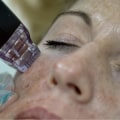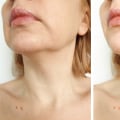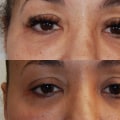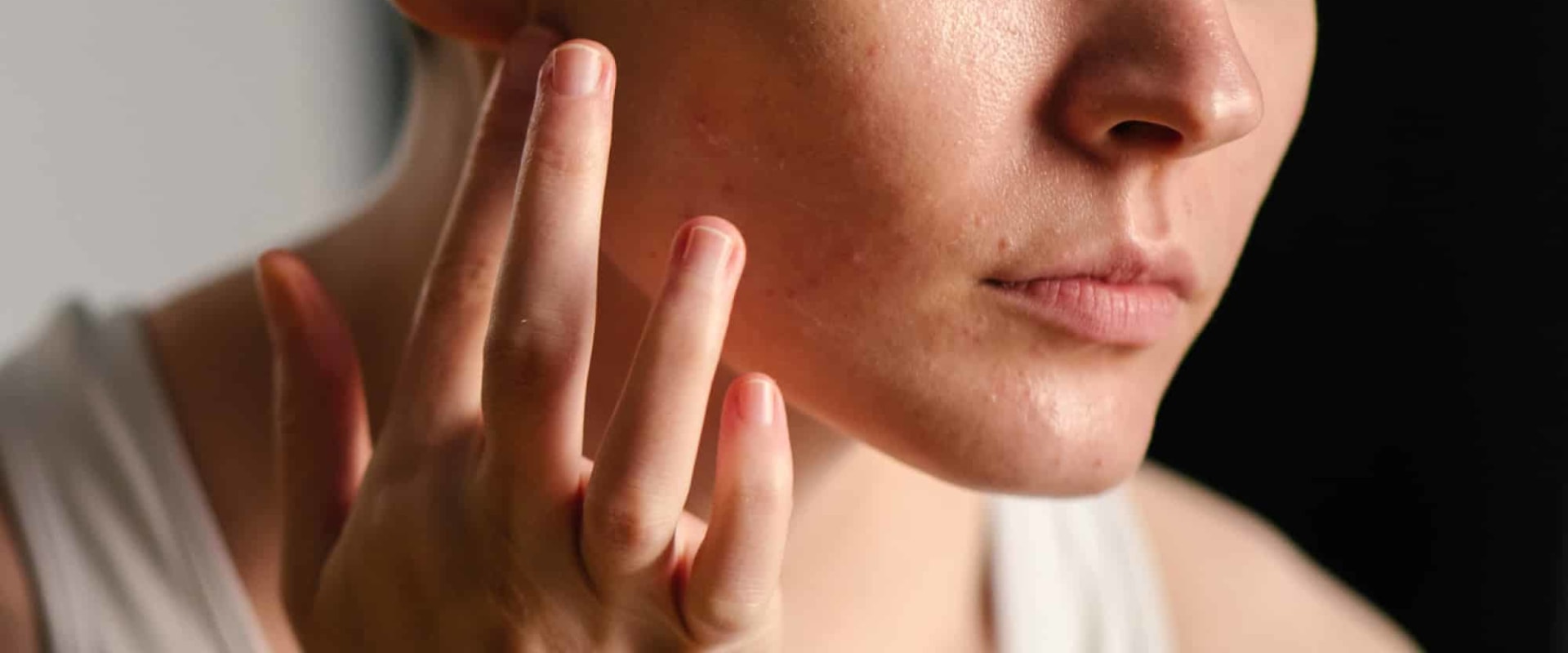
Morpheus8 is an innovative treatment that combines the benefits of microneedling and radiofrequency energy to rejuvenate the skin. This advanced procedure is designed to target various skin concerns, including fine lines, wrinkles, and sagging skin, making it a popular choice for those seeking a non-surgical solution to enhance their appearance. By delivering controlled energy deep into the dermis, Morpheus8 stimulates collagen production, which is essential for maintaining youthful, plump skin.The benefits of Morpheus8 extend beyond mere cosmetic improvements. Patients often report a noticeable tightening effect on the skin, leading to a more contoured and lifted appearance.
Additionally, the treatment can improve skin texture and tone, reducing the visibility of scars and enlarged pores. As a minimally invasive option, Morpheus8 offers a quicker recovery time compared to traditional surgical procedures, allowing individuals to return to their daily activities with minimal downtime.Understanding how Morpheus8 works is crucial for anyone considering this treatment. The procedure involves the use of a device equipped with fine needles that create micro-injuries in the skin while simultaneously delivering radiofrequency energy. This dual action not only promotes healing but also encourages the production of new collagen and elastin fibres.
The result is smoother, firmer skin that appears revitalised and youthful. As with any cosmetic treatment, it is essential for potential patients to be well-informed about both the advantages and limitations of Morpheus8 before making a decision.
Who Should Not Use Morpheus8?
While Morpheus8 offers numerous benefits for skin rejuvenation, it is crucial to identify specific groups of individuals who should avoid this treatment to ensure safety and optimal results. Understanding these contraindications can help patients make informed decisions about their skincare options.1.Individuals with Active Skin Conditions
- Those suffering from active skin infections, such as herpes simplex or bacterial infections, should refrain from undergoing Morpheus8. The treatment could exacerbate these conditions and lead to further complications.
- Patients with eczema, psoriasis, or other inflammatory skin disorders may also be unsuitable candidates, as the procedure could irritate their skin and worsen their symptoms.
2.Pregnant or Breastfeeding Women
It is generally advised that women who are pregnant or breastfeeding avoid Morpheus8. The effects of the treatment on fetal development or nursing infants have not been thoroughly studied, making it prudent to postpone any cosmetic procedures during this sensitive period.
3.Patients with Certain Medical Conditions
- Individuals with a history of keloid scarring or those prone to hypertrophic scars should avoid Morpheus8, as the treatment may trigger abnormal healing responses.
- People with autoimmune disorders, such as lupus or rheumatoid arthritis, may experience adverse reactions due to their compromised immune systems.
- If you have a history of blood clotting disorders, it is essential to consult with a healthcare professional before considering this treatment, as it may pose additional risks.
4.Those on Certain Medications
Certain medications can affect skin healing and increase the risk of complications. Patients taking blood thinners, for example, should discuss their medication regimen with their doctor prior to undergoing Morpheus8.
5.Individuals Seeking Immediate Results
Morpheus8 is not designed for those looking for instant results.
If you are seeking a quick fix for severe signs of aging, surgical options may be more appropriate. This treatment requires time for the skin to heal and regenerate, which may not align with your expectations.If you are seeking a quick fix for severe signs of aging, surgical options may be more appropriate. This treatment requires time for the skin to heal and regenerate, which may not align with your expectations.
Conclusion
If you fall into any of these categories, it is vital to consult with a qualified medical professional who can assess your individual circumstances and recommend alternative treatments that may be more suitable for your needs. Prioritising safety and informed decision-making will lead to better outcomes in your skincare journey.
Medical Conditions That Exclude You from Morpheus8
When considering Morpheus8, it is crucial to be aware of certain medical conditions that may render the treatment unsuitable. Understanding these conditions can help patients make informed decisions about their skincare options.Active Skin Infections
Individuals with active skin infections, such as herpes simplex, bacterial infections, or fungal infections, should avoid Morpheus8 until the infection has fully resolved.
The micropuncture technique used in Morpheus8 can exacerbate existing infections and lead to complications. It is essential to allow the skin to heal completely before undergoing any aesthetic treatments.
Autoimmune Diseases
Patients with autoimmune diseases, such as lupus, rheumatoid arthritis, or psoriasis, may also be advised against using Morpheus8. These conditions can affect the skin's healing process and increase the risk of adverse reactions. The inflammatory response triggered by the treatment could potentially worsen symptoms or lead to flare-ups in individuals with autoimmune disorders.
Blood Disorders
Those with blood disorders, including clotting disorders or conditions that affect blood circulation, should approach Morpheus8 with caution. The treatment involves micro-needling, which can cause bleeding and bruising.
Patients with a history of excessive bleeding or poor wound healing may face increased risks during and after the procedure.
Pregnancy and Breastfeeding
Pregnant or breastfeeding women are generally advised to postpone Morpheus8 treatments. The effects of the procedure on unborn children or nursing infants have not been thoroughly studied, making it prudent to err on the side of caution.
Skin Conditions
Certain chronic skin conditions, such as eczema or severe acne, may also contraindicate the use of Morpheus8. These conditions can compromise the skin's integrity and increase sensitivity, leading to heightened discomfort during treatment and a longer recovery period.Before proceeding with Morpheus8, it is vital for patients to consult with a qualified healthcare professional who can assess their medical history and current health status. This evaluation will help determine whether they fall into a high-risk category for this innovative treatment.
Skin Types and Sensitivities: When to Avoid Morpheus8
When considering Morpheus8, it is crucial to evaluate your skin type and any existing sensitivities. While this innovative treatment can offer remarkable benefits for many, certain skin types and conditions may not respond well to the procedure, potentially leading to adverse effects.1.Sensitive Skin Types
Individuals with sensitive skin often experience heightened reactions to various treatments, including redness, irritation, and inflammation.
If your skin is prone to these issues, it is advisable to approach Morpheus8 with caution. The micropuncture technique used in Morpheus8 can exacerbate sensitivity, leading to prolonged discomfort or adverse reactions.
2.Active Skin Conditions
Patients suffering from active skin conditions such as eczema, psoriasis, or rosacea should avoid Morpheus8 until their conditions are under control. These conditions can compromise the skin's barrier function, making it more susceptible to irritation and infection post-treatment. Engaging in Morpheus8 while experiencing flare-ups may worsen these conditions and lead to complications.
3.Acne-Prone Skin
If you have a history of severe acne or currently have active breakouts, it is essential to consult with a dermatologist before considering Morpheus8. The treatment can stimulate the skin's healing process, which may initially exacerbate acne in some individuals.
It is often recommended to wait until the acne is fully resolved before undergoing this procedure.
4.Skin of Colour
While Morpheus8 can be beneficial for various skin tones, individuals with darker skin types may face a higher risk of post-inflammatory hyperpigmentation (PIH). This condition occurs when the skin darkens in response to injury or inflammation. If you have darker skin and are considering Morpheus8, it is vital to discuss your options with a qualified practitioner who understands the nuances of treating different skin types.
5.Recent Cosmetic Procedures
If you have recently undergone other cosmetic treatments such as chemical peels, laser therapy, or fillers, it is advisable to wait before considering Morpheus8. The skin needs time to heal from these procedures, and combining treatments too closely can lead to unexpected side effects.In conclusion, understanding your skin type and any existing sensitivities is paramount when contemplating Morpheus8. Consulting with a qualified medical professional will help determine whether this treatment aligns with your individual needs and ensure that you achieve optimal results without compromising your skin's health.
Pregnancy and Breastfeeding: A Cautionary Note on Morpheus8
When considering aesthetic treatments such as Morpheus8, it is crucial for expectant mothers and those who are breastfeeding to understand the potential implications and risks associated with these procedures. The safety of both the mother and the child should always be the top priority.During pregnancy, a woman’s body undergoes significant hormonal changes, which can affect skin sensitivity and healing processes.These changes may lead to unpredictable reactions to treatments like Morpheus8. The micropuncture technique used in this procedure involves the application of radiofrequency energy to stimulate collagen production, which can cause temporary redness and swelling. For pregnant women, these side effects may be exacerbated due to heightened skin sensitivity.Moreover, there is limited research on the effects of Morpheus8 on pregnant women. As a precautionary measure, most medical professionals recommend postponing any non-essential cosmetic procedures until after childbirth. This is primarily due to the lack of comprehensive studies that confirm the safety of such treatments during pregnancy.For those who are breastfeeding, similar caution should be exercised.
While there is no direct evidence suggesting that Morpheus8 adversely affects breast milk or nursing infants, the potential for skin irritation and other side effects remains a concern. Additionally, the stress of undergoing a procedure may not be ideal for new mothers who are already adjusting to the demands of caring for a newborn.It is essential for women in these circumstances to consult with their healthcare provider before considering Morpheus8 or any other cosmetic treatment. A qualified professional can provide tailored advice based on individual health conditions and circumstances.In summary, while Morpheus8 offers promising results for skin rejuvenation, pregnant and breastfeeding women should approach this treatment with caution. Prioritising safety and well-being is paramount, and waiting until after pregnancy and breastfeeding may be the best course of action for those considering this innovative procedure.
Potential Side Effects of Morpheus8: What to Expect
When considering Morpheus8, it is crucial to be aware of the potential side effects that may arise following the treatment.While many patients experience positive outcomes, understanding the risks associated with this procedure can help you make an informed decision.Common side effects of Morpheus8 include:
- Redness: Post-treatment, it is typical to notice some redness in the treated areas. This is a natural response as your skin begins to heal and usually subsides within a few hours to a couple of days.
- Swelling: Mild swelling may occur as a result of the micropuncture process. This can last for a few days but should gradually diminish as your skin recovers.
- Bruising: Some patients may experience bruising at the treatment site. This is generally mild and can be managed with cold compresses and over-the-counter pain relief if necessary.
- Itching: As your skin heals, you might feel some itching or discomfort.
It is essential to avoid scratching the area to prevent irritation or infection.
- Dryness or Flaking: Following the treatment, your skin may become dry or flaky as it regenerates. Keeping the area moisturised can help alleviate this effect.
- Infection: Any procedure that involves puncturing the skin carries a risk of infection. It is vital to follow post-treatment care instructions provided by your practitioner to minimise this risk.
- Scarring: While uncommon, improper aftercare or individual skin reactions can lead to scarring.
Discussing your skin type and history with your practitioner can help mitigate this risk.
- Hyperpigmentation: Some individuals may notice darkening of the skin in treated areas, particularly those with darker skin tones. This effect is usually temporary but can be distressing for some patients.
Consultation: The Importance of Professional Guidance Before Treatment
Before considering Morpheus8, it is crucial to seek professional guidance from qualified medical practitioners.This step is essential not only for ensuring the safety of the procedure but also for achieving the best possible results tailored to your individual needs.During a consultation, a medical professional will conduct a thorough assessment of your skin type, medical history, and specific concerns. This personalised evaluation is vital as it helps to identify whether Morpheus8 is suitable for you or if alternative treatments may be more effective. Factors such as skin elasticity, the severity of wrinkles, and any underlying skin conditions will be taken into account.Moreover, discussing your expectations and desired outcomes with your practitioner can significantly influence the treatment plan. A qualified expert can provide insights into what Morpheus8 can realistically achieve and help set achievable goals.
This dialogue is essential in managing expectations and ensuring that you are fully informed about the potential results.It is also important to disclose any medications you are currently taking or any previous cosmetic procedures you have undergone. Certain medications or past treatments may affect your suitability for Morpheus8 or increase the risk of complications. For instance, individuals on blood thinners or those with a history of keloid scarring may need to reconsider this treatment option.In addition to assessing physical suitability, a consultation allows for a discussion about potential side effects and recovery time associated with Morpheus8. Understanding these aspects can help you prepare mentally and physically for the procedure.Ultimately, the importance of consulting with a professional cannot be overstated.
Their expertise will guide you through the decision-making process, ensuring that you make an informed choice about whether Morpheus8 is right for you. By prioritising this step, you are taking a significant stride towards achieving your aesthetic goals safely and effectively.
Alternatives to Morpheus8: Exploring Other Options
For individuals who find themselves unsuitable for Morpheus8, whether due to medical conditions, skin type, or personal preferences, there are numerous alternative treatments available that can effectively address various skin concerns. Understanding these options can empower patients to make informed decisions about their skincare journey.Here are some notable alternatives to consider:- Microneedling: This treatment involves the use of fine needles to create micro-injuries in the skin, stimulating collagen production and promoting healing. It is particularly effective for improving skin texture, reducing scars, and minimising fine lines.
- Laser Resurfacing: Laser treatments can target specific skin issues such as pigmentation, wrinkles, and uneven texture.
Options include ablative lasers, which remove layers of skin, and non-ablative lasers that stimulate collagen without damaging the surface.
- Chemical Peels: These involve applying a chemical solution to exfoliate the outer layers of skin, revealing fresher skin underneath. They can vary in strength and are effective for treating acne scars, sun damage, and signs of ageing.
- Ultrasound Therapy: Non-invasive ultrasound treatments use sound waves to stimulate collagen production deep within the skin. This method is ideal for lifting and tightening sagging skin without any downtime.
- Radiofrequency Treatments: Similar to ultrasound, radiofrequency uses energy to heat the deeper layers of skin, promoting collagen production and tightening loose skin. This treatment is suitable for various areas of the body.
It is crucial for patients to consult with a qualified skincare professional who can assess their individual needs and recommend the most appropriate treatment based on their specific conditions and desired outcomes.In addition to these treatments, maintaining a consistent skincare routine with high-quality products tailored to your skin type can significantly enhance results. Incorporating ingredients like retinoids, hyaluronic acid, and antioxidants can help improve overall skin health and appearance.Ultimately, while Morpheus8 may be a popular choice for many seeking non-invasive rejuvenation, there are plenty of other effective options available that can cater to diverse skincare needs. Exploring these alternatives ensures that every patient can find a solution that aligns with their goals and lifestyle.
Frequently Asked Questions About Morpheus8
As with any cosmetic treatment, potential patients often have numerous questions regarding Morpheus8. Addressing these queries can help demystify the procedure and assist individuals in making informed decisions.Below are some of the most frequently asked questions about Morpheus8.
What is Morpheus8?
Morpheus8 is a non-surgical treatment that combines microneedling with radiofrequency energy to stimulate collagen production and improve skin texture. It targets deeper layers of the skin, making it effective for reducing fine lines, wrinkles, and sagging skin.Who is an ideal candidate for Morpheus8?
While many individuals can benefit from this treatment, those with mild to moderate signs of aging are typically the best candidates. It is particularly suitable for individuals looking to enhance their skin's appearance without undergoing invasive surgery.Are there any risks associated with Morpheus8?
Like any cosmetic procedure, Morpheus8 does carry some risks. Common side effects include redness, swelling, and minor bruising at the treatment site.These effects are usually temporary and resolve within a few days. However, it is crucial to consult with a qualified practitioner to discuss your medical history and any potential risks.
How long does the treatment take?
The duration of a Morpheus8 session typically ranges from 30 to 60 minutes, depending on the areas being treated. Patients can expect to spend additional time in the clinic for pre-treatment consultations and post-treatment care instructions.How many sessions are required for optimal results?
Most patients see significant improvements after just one session; however, a series of treatments may be recommended for optimal results. Your practitioner will tailor a plan based on your individual skin needs and desired outcomes.Can Morpheus8 be combined with other treatments?
Yes, Morpheus8 can be effectively combined with other aesthetic treatments such as fillers or Botox to enhance overall results.Discussing your goals with your practitioner will help determine the best combination for you.
What should I expect during recovery?
Post-treatment recovery is generally straightforward. Patients may experience some redness and swelling similar to a mild sunburn, but these symptoms typically subside within a few days. It is essential to follow aftercare instructions provided by your practitioner to ensure optimal healing.By addressing these common questions and misconceptions about Morpheus8, potential patients can feel more confident in their decision-making process. Always consult with a qualified professional to discuss your specific concerns and expectations before proceeding with any treatment.Conclusion: Making an Informed Decision About Morpheus8
In conclusion, understanding who should avoid Morpheus8 is crucial for anyone considering this innovative treatment.While Morpheus8 offers numerous benefits, including skin tightening and rejuvenation, it is not a one-size-fits-all solution. Patients must carefully evaluate their individual circumstances and health conditions before proceeding.As discussed, individuals with active skin infections or inflammatory skin conditions should refrain from undergoing Morpheus8 until their skin has healed. This precaution helps prevent complications and ensures the best possible results. Additionally, those who are pregnant or breastfeeding are advised to postpone this treatment, as the effects on unborn or nursing children are not fully understood.Moreover, patients with more pronounced signs of aging may find that surgical options provide more significant improvements than what Morpheus8 can achieve.
It is essential to have realistic expectations about the outcomes of this treatment and to consider all available options.Furthermore, potential side effects such as redness , swelling , and bruising should not be overlooked. While these effects are typically mild and temporary, they can be concerning for some individuals. Understanding these risks is vital in making an informed decision.Ultimately, the best course of action is to consult with a qualified medical professional who can assess your unique situation. They will provide tailored advice based on your skin type, health history, and aesthetic goals.
By seeking expert guidance, you can ensure that you make a well-informed decision regarding whether Morpheus8 is the right choice for you.In summary, while Morpheus8 presents an exciting opportunity for skin rejuvenation, it is essential to approach this treatment with caution and awareness. By understanding who should avoid it and consulting with professionals, you can navigate your skincare journey confidently.