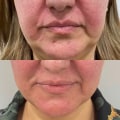
In recent years, the demand for non-surgical cosmetic procedures has surged, with treatments like FaceTite and Morpheus8 gaining significant popularity among individuals seeking to enhance their appearance without the need for invasive surgery. Both of these innovative techniques offer unique benefits, particularly in the realm of skin tightening and rejuvenation, making them appealing options for those looking to combat the signs of aging.
FaceTite
is a cutting-edge procedure that utilises radiofrequency energy to target and melt away fat while simultaneously tightening the skin. This dual-action approach not only helps in contouring the face or body but also promotes collagen production, leading to improved skin elasticity. Patients often appreciate the minimal downtime associated with FaceTite compared to traditional surgical facelifts, making it an attractive choice for those with busy lifestyles.On the other hand, Morpheus8 employs a combination of microneedling and radiofrequency technology to penetrate deeper layers of the skin.This treatment stimulates collagen and elastin production, resulting in smoother, firmer skin. Morpheus8 is particularly effective for treating fine lines, wrinkles, and uneven skin texture, making it a versatile option for various skin types and concerns.As both FaceTite and Morpheus8 continue to gain traction in the cosmetic industry, it is essential to consider not only their advantages but also the potential downsides associated with these procedures. Understanding the risks involved can help individuals make informed decisions about their aesthetic goals and choose the right treatment for their needs.
What is FaceTite?
FaceTite is an innovative cosmetic procedure designed to tighten and contour the skin on the face and neck. Utilizing advanced radiofrequency technology, FaceTite offers a minimally invasive alternative to traditional facelift surgery, providing patients with noticeable results without the extensive downtime associated with surgical options.The FaceTite procedure involves the insertion of a small cannula beneath the skin, which emits radiofrequency energy.This energy heats the underlying tissues, stimulating collagen production and promoting skin tightening. The dual action of fat reduction and skin tightening makes FaceTite particularly effective for individuals experiencing sagging skin or excess fat in the facial area.One of the primary benefits of FaceTite is its ability to deliver results comparable to those of surgical facelifts, but with significantly less recovery time. Patients can often return to their normal activities within a few days, making it an appealing option for those with busy lifestyles. Additionally, the procedure is performed under local anaesthesia, which reduces the risks associated with general anaesthesia.When comparing FaceTite to other treatments such as Morpheus8, it’s essential to consider the differences in technique and outcomes.
Morpheus8 combines microneedling with radiofrequency energy to target deeper layers of the skin, promoting collagen production and improving skin texture. While both procedures aim to rejuvenate the skin, FaceTite focuses more on fat reduction and skin tightening, making it ideal for patients looking for a more sculpted appearance.Moreover, FaceTite is particularly beneficial for those who may not be ready for a full surgical facelift but desire significant improvements in their facial contours. The results from FaceTite can last for several years, especially when combined with a healthy lifestyle and skincare regimen.In summary, FaceTite represents a significant advancement in non-surgical facial rejuvenation techniques. By understanding how this procedure works and its advantages over other treatments like Morpheus8, potential patients can make informed decisions about their cosmetic options.
The Benefits of FaceTite
FaceTite has gained significant popularity in the realm of non-surgical facial rejuvenation, and for good reason.This innovative procedure offers a range of benefits that make it an appealing option for those seeking to enhance their appearance without the extensive downtime associated with traditional surgical methods.One of the primary advantages of FaceTite is its ability to provide noticeable results with minimal invasiveness. Unlike traditional facelifts, which require larger incisions and longer recovery times, FaceTite utilises radiofrequency energy to tighten the skin and reduce fat deposits. This means that patients can achieve a more youthful appearance without the need for extensive surgical intervention.Another significant benefit is the reduced recovery time. Many patients find that they can return to their normal activities within a few days following the procedure.
This is particularly advantageous for individuals with busy lifestyles who may not have the luxury of taking extended time off work or social engagements.Additionally, FaceTite is known for its precision. The technology allows practitioners to target specific areas of concern, such as sagging skin around the jawline or cheeks, leading to more tailored results. This level of control can result in a more natural-looking outcome, as opposed to the sometimes overly tight appearance that can occur with traditional facelifts.Moreover, FaceTite can be combined with other treatments, such as Morpheus8, to enhance overall results. Morpheus8 is a fractional radiofrequency microneedling treatment that works synergistically with FaceTite to improve skin texture and tone while also tightening the skin.
This combination can lead to comprehensive facial rejuvenation, addressing multiple concerns simultaneously.Lastly, many patients appreciate the minimal scarring associated with FaceTite. The procedure typically involves only small incisions, which are often well-hidden in natural skin folds or hairlines. This aspect is particularly appealing for those who are concerned about visible scars post-treatment.In summary, the benefits of FaceTite include its non-invasive nature, reduced recovery time, precision in targeting specific areas, compatibility with other treatments like Morpheus8, and minimal scarring. These advantages make it a compelling choice for individuals looking to rejuvenate their facial appearance while maintaining a natural look.
Potential Downsides of FaceTite
While FaceTite is often praised for its minimally invasive approach to facial rejuvenation, it is essential to consider the potential downsides associated with the procedure.Understanding these risks can help patients make informed decisions about their aesthetic goals.One of the primary concerns with FaceTite is the risk of skin burns. The procedure uses radiofrequency energy to heat the underlying tissues, which can sometimes lead to thermal injuries if not performed correctly. This risk is particularly heightened in individuals with darker skin tones, as they may be more susceptible to burns due to increased melanin absorption of the energy.Another significant downside is the possibility of asymmetry. Although skilled practitioners strive for balanced results, variations in healing or anatomical differences can lead to uneven outcomes.
Patients may find that one side of their face appears different from the other, necessitating additional treatments to correct any discrepancies.
Nerve damage
is another potential complication that can arise from FaceTite. The procedure involves careful manipulation of facial structures, and there is a risk that nearby nerves could be affected. This may result in temporary numbness or altered sensation in the treated areas, which can be distressing for patients.Infections are a rare but serious concern following any cosmetic procedure, including FaceTite. While the risk is low, it is crucial for patients to follow post-operative care instructions diligently to minimise this possibility.
Signs of infection may include increased redness, swelling, or discharge from the treatment area.Additionally, some patients may experience temporary swelling and bruising , which can last longer than anticipated. While these effects are generally mild and resolve over time, they can be a source of frustration for individuals eager to see their final results.Lastly, while FaceTite offers a less invasive alternative to traditional facelift surgery, it does not come without its own set of costs. The financial investment required for the procedure can be significant, especially when considering potential follow-up treatments or corrections needed due to complications.In conclusion, while FaceTite presents an innovative option for facial rejuvenation with many benefits, it is vital for prospective patients to weigh these against the potential downsides. Consulting with a qualified practitioner who can provide personalised advice and address any concerns is essential for achieving satisfactory results.
Comparing Risks: FaceTite vs.
Morpheus8When considering skin tightening treatments, FaceTite and Morpheus8 are two popular options that often come up in discussions. Both procedures aim to rejuvenate the skin, but they employ different techniques and carry distinct risks that potential patients should be aware of.
Understanding FaceTite
- Invasive Nature: FaceTite is a minimally invasive procedure that uses radiofrequency energy to melt fat and tighten the skin. However, it does involve small incisions, which can lead to complications such as infection or scarring.
- Recovery Time: Patients may experience bruising and swelling post-procedure, with recovery times typically longer than non-invasive treatments. This can be a significant consideration for those looking for quick results.
- Potential Side Effects: Risks include skin burns, asymmetry, and temporary numbness.
While these are generally rare in skilled hands, they remain important factors to consider.
Exploring Morpheus8
- Non-Invasive Approach: Morpheus8 combines microneedling with radiofrequency energy, making it a non-invasive option. This means there are no incisions, which significantly reduces the risk of scarring and infection.
- Minimal Downtime: The recovery period is usually shorter compared to FaceTite, with many patients returning to their daily activities within a day or two. However, some redness and swelling may still occur.
- Side Effects: While generally safe, Morpheus8 can cause temporary discomfort at the treatment site, as well as minor bruising or swelling. These effects typically resolve quickly.
Comparative Analysis
In summary, while both FaceTite and Morpheus8 offer effective skin tightening solutions, they come with different risk profiles.
FaceTite's invasive nature may lead to longer recovery times and potential complications like scarring or infection. In contrast, Morpheus8's non-invasive approach allows for quicker recovery and fewer risks associated with surgical procedures. Ultimately, the choice between these two treatments should be guided by individual needs, desired outcomes, and consultation with a qualified practitioner who can assess personal health factors.
Recovery Process After FaceTite Treatment
Undergoing FaceTite treatment can lead to remarkable improvements in facial contour and skin tightness, but understanding the recovery process is crucial for achieving optimal results. The recovery timeline and post-treatment care can significantly influence the overall outcome of the procedure.Immediately following the FaceTite procedure, patients may experience some swelling, bruising, and discomfort in the treated areas.These symptoms are normal and typically subside within a few days. However, it is essential to manage these effects properly to ensure a smooth recovery.
Recovery Time
The initial recovery period after FaceTite usually lasts about one to two weeks. During this time, most patients can return to their daily activities, although some may prefer to take a few days off work to allow for adequate healing. It is important to note that while the majority of swelling will diminish within the first week, residual swelling may persist for several weeks as the body continues to heal.Post-Treatment Care
To facilitate healing and enhance results, following specific post-treatment care guidelines is essential:- Keep the area clean: Gently cleanse the treated area with mild soap and water.
Avoid harsh products that could irritate the skin.
- Apply cold compresses: To reduce swelling and discomfort, apply cold compresses for 15-20 minutes at a time during the first 48 hours.
- Avoid strenuous activities: Refrain from heavy exercise or activities that could strain the facial muscles for at least two weeks post-treatment.
- Follow-up appointments: Attend all scheduled follow-up visits with your practitioner to monitor your healing progress and address any concerns.
- Stay hydrated: Drink plenty of water to support your body’s healing processes.
Long-Term Effects and Considerations
When considering FaceTite, it is essential to understand the long-term effects and sustainability of the results. While many patients experience significant improvements in skin tightness and contouring shortly after the procedure, the longevity of these results can vary based on several factors.One of the primary considerations is the natural aging process.Although FaceTite can provide a more youthful appearance, it does not halt the aging process. Over time, factors such as sun exposure, lifestyle choices, and genetics will continue to influence skin elasticity and overall facial structure. Therefore, while the initial results may be impressive, patients should anticipate that some degree of sagging or skin laxity may return as they age.Another important aspect to consider is the maintenance of results. To prolong the effects of FaceTite, patients are often advised to adopt a healthy lifestyle that includes a balanced diet, regular exercise, and proper skincare.
These practices can help maintain skin health and enhance the durability of the treatment outcomes.Additionally, it is crucial to have realistic expectations regarding the sustainability of results. While many individuals enjoy lasting improvements for several years, individual experiences can differ significantly. Factors such as skin type, age at the time of treatment, and adherence to post-procedure care can all play a role in how long results last.Moreover, some patients may require follow-up treatments or complementary procedures to maintain their desired appearance over time. This could include non-invasive treatments like Morpheus8, which combines microneedling with radiofrequency energy to further enhance skin texture and firmness.In conclusion, while FaceTite offers promising results for facial rejuvenation, understanding its long-term effects and sustainability is vital for prospective patients.
By considering factors such as aging, lifestyle choices, and potential follow-up treatments, individuals can make informed decisions that align with their aesthetic goals.
Frequently Asked Questions About FaceTite and Morpheus8
As cosmetic procedures gain popularity, many potential patients have questions about the specifics of treatments like FaceTite and Morpheus8. Below are some frequently asked questions that can help clarify these innovative procedures.What is FaceTite?
FaceTite is a minimally invasive procedure that uses radiofrequency energy to tighten skin and reduce fat in the face and neck area. It is designed to provide results similar to a facelift but with less downtime and fewer risks associated with traditional surgery.What are the benefits of FaceTite?
- Minimally Invasive: Unlike traditional facelifts, FaceTite requires only small incisions, which can lead to less scarring.
- Quick Recovery: Most patients experience a shorter recovery time compared to surgical options, allowing them to return to their daily activities sooner.
- Natural Results: The procedure promotes collagen production, resulting in a more youthful appearance over time.
What is Morpheus8?
Morpheus8 is a fractional radiofrequency microneedling treatment that targets deeper layers of the skin. It combines the benefits of microneedling with radiofrequency energy to stimulate collagen production and improve skin texture.How does Morpheus8 differ from FaceTite?
While both procedures aim to rejuvenate the skin, they operate differently. FaceTite primarily focuses on tightening and contouring by melting fat and tightening skin, whereas Morpheus8 enhances skin texture and elasticity through microneedling combined with radiofrequency energy.Are there any side effects associated with these treatments?
Both FaceTite and Morpheus8 are generally safe when performed by qualified professionals.However, potential side effects may include:
- Swelling
- Bruising
- Temporary redness
- Numbness or sensitivity changes
Who is a good candidate for these procedures?
Candidates for FaceTite and Morpheus8 are usually individuals looking for non-surgical options to enhance their facial appearance. Ideal candidates should be in good health, have realistic expectations, and be seeking improvements in skin laxity or texture.If you have further questions or concerns about FaceTite or Morpheus8, it’s advisable to consult with a qualified practitioner who can provide tailored advice based on your individual needs.Conclusion: Weighing Your Options Carefully
In conclusion, the decision to undergo any cosmetic procedure, including FaceTite or its alternatives like Morpheus8, should be approached with careful consideration and thorough research. Each treatment option presents its own set of advantages and disadvantages, and understanding these can significantly impact your satisfaction with the results.While FaceTite offers a minimally invasive solution for skin tightening and contouring, it is essential to acknowledge the potential downsides. Risks such as skin burns, asymmetry, and temporary numbness are not to be overlooked.Although these complications are rare when performed by skilled professionals, they remain a possibility that every patient should be aware of.On the other hand, Morpheus8, which combines microneedling with radiofrequency energy, presents its own unique benefits and challenges. While it may result in less downtime compared to surgical options, patients might experience side effects such as redness or swelling post-treatment. Additionally, the results may not be as dramatic as those achieved through surgical procedures.Ultimately, the choice between FaceTite, Morpheus8, or other cosmetic treatments should be based on individual goals, skin type, and personal circumstances. Consulting with a qualified practitioner can provide valuable insights tailored to your specific needs.
They can help you weigh the pros and cons of each option, ensuring that you make an informed decision that aligns with your aesthetic aspirations.Before proceeding with any treatment, consider factors such as recovery time, potential scarring, and overall costs. Remember that while immediate results are appealing, long-term satisfaction often hinges on realistic expectations and a comprehensive understanding of what each procedure entails.In summary, take the time to reflect on your motivations for seeking cosmetic enhancement. By doing so, you can ensure that your choice not only enhances your appearance but also contributes positively to your overall well-being.