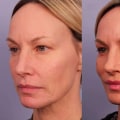
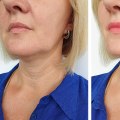
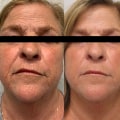
Morpheus8 is an innovative aesthetic treatment that combines the benefits of microneedling with radiofrequency energy to rejuvenate the skin. This advanced procedure targets the deeper layers of the skin, promoting collagen production and enhancing overall skin texture. As a non-surgical option, Morpheus8 has gained popularity among individuals seeking to address various skin concerns, including fine lines, wrinkles, and sagging skin. By delivering controlled energy through tiny needles, it stimulates the body’s natural healing processes, resulting in a more youthful appearance.The versatility of Morpheus8 makes it suitable for a wide range of skin types and concerns.
Patients often report significant improvements in skin elasticity and firmness after undergoing treatment. Additionally, Morpheus8 can be used on various areas of the body, including the face, neck, and even delicate regions like around the eyes. This adaptability allows practitioners to tailor treatments to meet individual needs, making it a highly sought-after option in aesthetic medicine.One of the key benefits of Morpheus8 is its ability to deliver noticeable results with minimal downtime. Unlike more invasive procedures, patients can typically return to their daily activities shortly after treatment.
The combination of microneedling and radiofrequency not only enhances skin texture but also promotes a more even skin tone, making it an excellent choice for those looking to refresh their appearance without extensive recovery time.As with any medical procedure, understanding the potential contraindications is crucial for ensuring safety and effectiveness. While Morpheus8 offers numerous advantages, it is essential for prospective patients to be aware of specific conditions or factors that may affect their eligibility for treatment. This knowledge will help individuals make informed decisions about their skincare journey and achieve optimal results.
What is Morpheus8?
Morpheus8 is an innovative treatment that combines the benefits of microneedling and radiofrequency energy to promote skin rejuvenation and tightening. This advanced technology is designed to target deeper layers of the skin, stimulating collagen production and enhancing overall skin texture.By understanding how Morpheus8 works, potential patients can better assess whether this treatment is suitable for them.The procedure utilises a handheld device equipped with fine needles that penetrate the skin at varying depths. As these needles create micro-injuries, they simultaneously deliver radiofrequency energy into the dermis. This dual action not only encourages the body’s natural healing processes but also promotes the production of collagen and elastin, essential proteins that contribute to skin elasticity and firmness.One of the key advantages of Morpheus8 is its ability to treat a variety of skin concerns, including fine lines, wrinkles, sagging skin, and uneven texture. The treatment can be customised to suit individual needs, allowing practitioners to adjust the depth of penetration and intensity of the radiofrequency energy based on the specific areas being treated.Moreover, Morpheus8 is suitable for all skin types and tones, making it a versatile option for many individuals seeking non-surgical solutions for skin rejuvenation.
The procedure typically requires minimal downtime, with most patients experiencing only mild redness and swelling post-treatment, similar to a light sunburn.In addition to its aesthetic benefits, Morpheus8 has gained popularity due to its safety profile. Unlike more invasive surgical procedures, this treatment poses fewer risks and complications when performed by a qualified practitioner. However, it is essential for potential candidates to consult with their healthcare provider to discuss any underlying health conditions or medications that may affect their suitability for the procedure.In summary, Morpheus8 represents a significant advancement in aesthetic technology, offering effective solutions for skin rejuvenation through its unique combination of microneedling and radiofrequency energy. Understanding how this treatment works not only highlights its benefits but also underscores the importance of identifying contraindications for those considering this innovative approach to skincare.
Who Should Avoid Morpheus8?
Morpheus8 is a popular non-surgical treatment that combines microneedling with radiofrequency energy to stimulate collagen production and improve skin texture.However, it is essential to understand that this treatment may not be suitable for everyone. Certain health conditions and factors can increase the risks associated with Morpheus8, making it crucial for potential candidates to be aware of these contraindications.
Individuals with Active Skin Conditions
- Those suffering from active skin infections, such as herpes simplex or bacterial infections, should avoid Morpheus8 until the condition has resolved. Treating the skin while it is compromised can exacerbate the issue and lead to further complications.
- Patients with inflammatory skin conditions like eczema or psoriasis may also need to reconsider this treatment, as it could irritate their skin further.
Pregnant or Nursing Women
Women who are pregnant or breastfeeding are generally advised against undergoing Morpheus8 treatments. The effects of radiofrequency energy on developing fetuses or nursing infants have not been thoroughly studied, making it prudent to err on the side of caution.
Individuals with Certain Medical Conditions
- People with a history of keloid scarring or hypertrophic scars should approach Morpheus8 with caution.
The treatment may trigger abnormal healing responses in these individuals, leading to unsightly scars.
- Those with autoimmune disorders, such as lupus or rheumatoid arthritis, may experience heightened sensitivity and adverse reactions to the treatment.
- Patients with uncontrolled diabetes should also avoid Morpheus8, as their healing process may be compromised, increasing the risk of complications.
Medications and Supplements
Certain medications can interfere with the healing process post-treatment. For instance, individuals taking anticoagulants or blood thinners should consult their healthcare provider before proceeding with Morpheus8. Additionally, supplements that affect blood clotting, such as fish oil or vitamin E, should be discussed with a medical professional.
Conclusion
Before considering Morpheus8, it is vital to have an open discussion with a qualified practitioner about your medical history and any existing health conditions. This will help ensure that you are a suitable candidate for the treatment and minimise any potential risks associated with the procedure.
Medical Conditions That Contraindicate Morpheus8
Morpheus8 is a cutting-edge treatment that combines microneedling with radiofrequency energy to stimulate collagen production and improve skin texture. However, certain medical conditions may contraindicate its use, necessitating a thorough evaluation by a qualified practitioner before proceeding with the treatment.Skin Conditions
- Active Infections: Individuals with active skin infections, such as herpes simplex or bacterial infections, should avoid Morpheus8 until the infection has resolved.
Treating the skin while it is compromised can exacerbate the condition and lead to further complications.
- Psoriasis and Eczema: Chronic skin conditions like psoriasis or eczema may also pose risks. These conditions can cause inflammation and sensitivity, making the skin more susceptible to irritation from the microneedling process.
- Open Wounds or Lesions: Any open wounds or lesions on the treatment area must be healed prior to undergoing Morpheus8. The procedure could worsen these areas or introduce bacteria, leading to infections.
Autoimmune Diseases
- Lupus: Patients with lupus or other autoimmune diseases may experience heightened sensitivity and an unpredictable healing response. The inflammatory nature of these conditions can complicate recovery and increase the risk of adverse effects.
- Rheumatoid Arthritis: Similar to lupus, rheumatoid arthritis can affect skin healing and response to treatments. It is crucial for individuals with this condition to consult their healthcare provider before considering Morpheus8.
- Scleroderma: This condition leads to hardening and tightening of the skin, which may interfere with the effectiveness of Morpheus8. Patients should discuss their specific situation with a dermatologist.
Other Relevant Health Issues
- Diabetes: Individuals with uncontrolled diabetes may have impaired wound healing, increasing the risk of complications post-treatment.
It is essential for diabetic patients to manage their condition effectively before undergoing any cosmetic procedures.
- Blood Disorders: Conditions that affect blood clotting or circulation can also contraindicate Morpheus8. Patients should disclose any history of bleeding disorders to their practitioner.
- Pregnancy and Breastfeeding: While there is limited research on the effects of Morpheus8 during pregnancy and breastfeeding, it is generally advised to postpone such treatments until after these periods for safety reasons.
Medications and Supplements to Avoid Before Treatment
Before undergoing Morpheus8 treatment, it is crucial to consider the medications and supplements you are currently taking. Certain substances can interfere with the healing process or increase the risk of complications. Therefore, consulting with your healthcare provider about your medication regimen is essential.Medications to Avoid
- Non-Steroidal Anti-Inflammatory Drugs (NSAIDs): Medications such as ibuprofen, naproxen sodium, and aspirin should be avoided prior to treatment.
These drugs can increase the risk of bruising and bleeding during and after the procedure. It is advisable to refrain from using these medications for at least a week before your scheduled treatment.
- Blood Thinners: If you are on anticoagulants like warfarin or newer blood thinners such as rivaroxaban or apixaban, discuss with your doctor whether you need to pause these medications before your Morpheus8 session. Stopping blood thinners can significantly reduce the risk of excessive bleeding.
- Certain Herbal Supplements: Some herbal supplements, such as ginkgo biloba, garlic, and ginger, can also have blood-thinning effects. It is advisable to discontinue these supplements at least a week prior to treatment.
Consultation is Key
Always inform your provider about all medications and supplements you are taking, including over-the-counter products and herbal remedies.
This transparency allows them to provide tailored advice that ensures your safety during the Morpheus8 procedure.
Post-Treatment Considerations
After your Morpheus8 treatment, it is equally important to follow your provider's recommendations regarding medications. While there are no specific contraindications for taking pain relief medications like Ultram or Norco post-treatment, it is still wise to avoid NSAIDs during the initial recovery phase. This precaution helps minimise any potential side effects and promotes optimal healing.In summary, being proactive about your medication and supplement intake before undergoing Morpheus8 can significantly enhance your treatment experience and outcomes. Always prioritise open communication with your healthcare provider to ensure a safe and effective procedure.
Potential Side Effects and Risks of Morpheus8
Morpheus8 is a popular non-surgical treatment that combines microneedling with radiofrequency energy to stimulate collagen production and improve skin texture.While many patients experience positive outcomes, it is crucial to be aware of the potential side effects and risks associated with this procedure.
Common Side Effects
- Redness and Swelling: After the treatment, it is common to experience some degree of redness and swelling in the treated areas. This reaction typically subsides within a few hours to a couple of days.
- Bruising: Some patients may notice bruising at the microneedling sites. This is usually mild and resolves on its own within a week.
- Discomfort: A sensation of discomfort or tightness in the skin can occur post-treatment. This is generally manageable with over-the-counter pain relief.
- Dryness or Flaking: As the skin heals, it may become dry or flaky.
Keeping the skin moisturised can help alleviate this issue.
Less Common Risks
- Infection: Although rare, there is a risk of infection at the microneedling sites. It is essential to follow aftercare instructions provided by your practitioner to minimise this risk.
- Scarring: Improper technique or inadequate aftercare can lead to scarring. Choosing a qualified provider is vital to reduce this risk.
- Hyperpigmentation: Some individuals may experience darkening of the skin in treated areas, particularly those with darker skin tones. This condition can be temporary or, in rare cases, permanent.
- Allergic Reactions: Patients may have allergic reactions to topical anaesthetics or post-treatment products.
Discuss any known allergies with your provider beforehand.
Who Should Avoid Morpheus8?
Certain individuals should consider avoiding Morpheus8 treatments altogether. These include:
- Those with active skin infections or conditions such as eczema or psoriasis in the treatment area.
- Individuals who are pregnant or breastfeeding.
- Patients with a history of keloid scarring or poor wound healing.
- People taking medications that affect blood clotting, as this can increase the risk of bruising and bleeding.
Consultation: The Importance of Discussing Your Health History
Before embarking on any aesthetic treatment, including Morpheus8, it is crucial to engage in a comprehensive consultation with your healthcare provider. This initial discussion serves as a foundation for ensuring your safety and maximising the effectiveness of the treatment.During the consultation, you should be prepared to share detailed information about your health history.This includes:
- Medical Conditions: Inform your provider about any chronic illnesses, such as diabetes, autoimmune disorders, or skin conditions like eczema or psoriasis. These factors can influence how your skin responds to Morpheus8.
- Medications: Provide a complete list of all medications you are currently taking, including prescription drugs, over-the-counter medications, and supplements. Certain medications may interact negatively with the treatment or affect healing.
- Allergies: Disclose any known allergies, particularly to anaesthetics or topical agents that may be used during the procedure.
- Previous Treatments: Discuss any prior cosmetic procedures you have undergone, especially those involving skin resurfacing or injectables. This information helps your provider assess potential risks and tailor the treatment plan accordingly.
For instance, if you smoke or consume alcohol regularly, these habits can hinder healing and affect skin quality post-treatment.Your provider will likely ask specific questions to gauge your suitability for Morpheus8. Be honest and thorough in your responses; this transparency is vital for identifying any contraindications that may exist. For example, individuals with certain skin types or those who have recently undergone specific dermatological treatments may need to reconsider their options.Ultimately, the goal of this consultation is to create a personalised treatment plan that aligns with your health profile and aesthetic goals. By openly discussing your health history and any concerns you may have, you empower your provider to make informed decisions that prioritise your safety and satisfaction.
FAQs About Morpheus8 Contraindications
When considering Morpheus8, many potential patients have questions regarding its contraindications.Understanding these can help ensure a safe and effective treatment experience. Below are some frequently asked questions that address common concerns about Morpheus8.
What are the primary contraindications for Morpheus8?
While Morpheus8 is generally safe for most individuals, there are specific contraindications to be aware of:- Active Skin Infections: If you have any active skin infections or lesions in the treatment area, it is crucial to postpone the procedure until these issues are resolved.
- Pregnancy and Breastfeeding: Women who are pregnant or breastfeeding should avoid Morpheus8 treatments due to potential risks to the baby.
- Autoimmune Disorders: Individuals with autoimmune conditions may experience adverse reactions, so it’s essential to consult with a healthcare provider before proceeding.
- Recent Cosmetic Procedures: If you have undergone other cosmetic procedures, such as fillers or Botox, within the last few weeks, it is advisable to wait before having Morpheus8.
- Blood Clotting Disorders: Those with blood clotting disorders or who are on anticoagulant medications should discuss their situation with their provider, as this may increase the risk of complications.
Are there any medications that should be avoided before treatment?
Yes, certain medications can interfere with the healing process or increase the risk of side effects. It is recommended to avoid:- Non-Steroidal Anti-Inflammatory Drugs (NSAIDs): Medications like ibuprofen and naproxen should be avoided prior to treatment.
- Aspirin: Similar to NSAIDs, aspirin can increase bleeding and should be discussed with your provider.
What should I discuss with my provider before undergoing Morpheus8?
Your consultation is an excellent opportunity to address any concerns. Be sure to discuss:- Your complete medical history, including any medications and supplements you are taking.
- Your skin type and any previous skin treatments you have had.
- Your expectations and desired outcomes from the Morpheus8 treatment.
Always consult with a qualified professional who can provide personalised advice based on your unique circumstances.
Conclusion: Making Informed Decisions About Morpheus8 Treatment
In conclusion, understanding the contraindications associated with Morpheus8 is crucial for anyone considering this innovative treatment. As we have explored throughout this article, while Morpheus8 offers numerous benefits for skin rejuvenation and tightening, it is not suitable for everyone. Recognising these limitations can help patients make informed decisions that prioritise their health and safety.It is essential to consult with a qualified healthcare provider before undergoing Morpheus8 treatment. They will assess your medical history, current medications, and any underlying health conditions that may pose risks during the procedure.For instance, individuals with certain skin conditions, autoimmune disorders, or those who are pregnant should approach this treatment with caution.Moreover, understanding the potential interactions with medications is vital. As mentioned earlier, while medications like Ultram or Norco can be taken post-treatment, non-steroidal anti-inflammatory drugs (NSAIDs) such as ibuprofen and aspirin should be avoided to minimise complications. This highlights the importance of open communication with your provider regarding all medications and supplements you are taking.Ultimately, making an informed decision about Morpheus8 involves weighing the benefits against the potential risks. Patients should feel empowered to ask questions and seek clarity on any concerns they may have.
By doing so, they can ensure that they are not only choosing a treatment that aligns with their aesthetic goals but also one that safeguards their overall well-being.In summary, while Morpheus8 presents a promising option for skin enhancement, it is imperative to approach it with a comprehensive understanding of its contraindications. This knowledge will not only enhance the effectiveness of the treatment but also contribute to a safer and more satisfying experience.