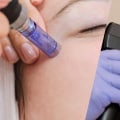
In the quest for youthful and radiant skin, many individuals are turning to advanced skin rejuvenation treatments. With a plethora of options available, it can be overwhelming to navigate through the various procedures and technologies. Among the most sought-after treatments are Fraxel and Morpheus8 , both of which have gained significant popularity for their effectiveness in addressing a range of skin concerns. Understanding the nuances between these two treatments is crucial for anyone considering a path to revitalised skin.Skin rejuvenation is not merely about aesthetics; it encompasses a holistic approach to enhancing one’s appearance while promoting overall skin health.
As we age, our skin undergoes various changes, including loss of elasticity, the appearance of fine lines and wrinkles, and uneven texture. Treatments like Fraxel and Morpheus8 offer innovative solutions that target these issues at different levels of the skin, utilising distinct technologies to achieve remarkable results.Fraxel employs laser technology to create micro-injuries in the skin, stimulating collagen production and encouraging natural healing processes. In contrast, Morpheus8 combines radiofrequency energy with microneedling to penetrate deeper layers of the skin, effectively tightening and lifting sagging areas. Both methods have their unique strengths and applications, making it essential for potential patients to understand their specific needs and desired outcomes before making a decision.This article aims to delve into the differences between Fraxel and Morpheus8, providing a comprehensive comparison that will empower readers to make informed choices about their skin rejuvenation journey.
By exploring the mechanisms, benefits, and ideal candidates for each treatment, we hope to illuminate the path towards achieving healthier, more youthful-looking skin.
What is Fraxel?
Fraxel is a revolutionary skin treatment that employs advanced laser technology to rejuvenate the skin. This non-invasive procedure is designed to address a variety of skin concerns, making it a popular choice among individuals seeking to enhance their complexion without undergoing surgical interventions.The core technology behind Fraxel involves the use of fractional laser energy, which creates microscopic treatment zones in the skin. This process stimulates the body’s natural healing response, promoting collagen production and encouraging the regeneration of healthy skin cells. Unlike traditional laser treatments that affect the entire surface of the skin, Fraxel targets only a fraction of the skin at a time, allowing for quicker recovery and minimal downtime.How Does Fraxel Work?
During a typical Fraxel treatment session, a handheld device emits laser energy that penetrates the skin's surface.The laser works by delivering controlled energy to specific areas, which helps to break down old, damaged skin cells while simultaneously stimulating new cell growth. This dual action not only improves skin texture but also reduces the appearance of fine lines, wrinkles, and other signs of aging.Patients often report feeling a warm sensation during the procedure, which is generally well-tolerated. Depending on the extent of treatment required, sessions can last anywhere from 30 minutes to over an hour. After treatment, it is common to experience some redness and swelling, similar to a mild sunburn, but these effects typically subside within a few days.
Benefits of Fraxel
- Improved Skin Texture: Fraxel is particularly effective in smoothing out rough patches and enhancing overall skin texture.
- Reduction of Fine Lines and Wrinkles: By stimulating collagen production, Fraxel helps diminish the appearance of fine lines and wrinkles.
- Scar Treatment: It can effectively reduce the visibility of acne scars and other types of scarring.
- Sun Damage Repair: Fraxel addresses issues related to sun damage, such as pigmentation irregularities and age spots.
- Minimal Downtime: As a fractional treatment, patients can expect quicker recovery times compared to more invasive procedures.
By understanding how this treatment works and its numerous benefits, individuals can make informed decisions about their skincare options and achieve healthier, more youthful-looking skin.
What is Morpheus8?
Morpheus8 is an innovative skin treatment that combines the benefits of microneedling with radiofrequency (RF) energy to rejuvenate and tighten the skin. This advanced technology allows for precise targeting of various skin layers, making it particularly effective for addressing a range of skin concerns.At its core, Morpheus8 utilises a series of ultra-fine needles that penetrate the skin at varying depths. As these needles create micro-injuries, they stimulate the body’s natural healing response, promoting collagen and elastin production. The addition of RF energy enhances this process by delivering heat to the deeper layers of the skin, further encouraging collagen synthesis and resulting in tighter, smoother skin.Key Benefits of Morpheus8
- Skin Tightening: One of the primary advantages of Morpheus8 is its ability to tighten sagging skin.
By targeting deeper layers, it effectively lifts and firms areas that may have lost elasticity due to ageing or other factors.
- Improved Skin Texture: The treatment can significantly enhance skin texture by reducing the appearance of fine lines, wrinkles, and rough patches. This results in a more youthful and radiant complexion.
- Minimally Invasive: Unlike traditional surgical procedures, Morpheus8 is minimally invasive, meaning there is less downtime and a lower risk of complications. Most patients can return to their daily activities shortly after treatment.
- Customisable Treatment: The depth of needle penetration can be adjusted based on individual skin concerns, allowing for a tailored approach that meets specific needs.
- Versatile Applications: Morpheus8 is effective on various areas of the body, including the face, neck, and even delicate areas like around the eyes. It can address issues such as acne scars, stretch marks, and overall skin laxity.
By harnessing the power of both microneedling and RF energy, Morpheus8 offers a comprehensive solution for those seeking to rejuvenate their skin effectively.
Key Differences Between Fraxel and Morpheus8
When considering skin rejuvenation treatments, understanding the key differences between Fraxel and Morpheus8 is crucial for making an informed decision. Both treatments utilise advanced technology to enhance skin appearance, yet they differ significantly in their approach, effectiveness, and recovery times.Technology
: Fraxel employs a laser-based technique that delivers fractional laser energy to the skin. This method creates micro-injuries in the skin's surface, stimulating collagen production and promoting natural healing. In contrast, Morpheus8 combines radiofrequency (RF) energy with microneedling.
This dual-action approach allows Morpheus8 to penetrate deeper layers of the skin, targeting both surface and subdermal concerns.
Effectiveness
: The effectiveness of each treatment varies based on the specific skin issues being addressed. Fraxel is particularly effective for improving skin texture, reducing fine lines, and treating pigmentation issues. It excels in resurfacing the skin and is often recommended for those looking to enhance overall skin quality. On the other hand, Morpheus8 is more suited for tightening sagging skin and addressing deeper wrinkles.
Its ability to reach deeper layers makes it ideal for individuals seeking to combat signs of ageing that are not just superficial.
Recovery Time
: Recovery experiences also differ between the two treatments. Fraxel typically involves a shorter recovery period, with most patients experiencing redness and swelling that subsides within a few days. The downtime is minimal, allowing individuals to return to their daily activities relatively quickly. Conversely, Morpheus8 may require a longer recovery time due to its deeper penetration and the nature of microneedling.
Patients might experience swelling and redness for several days post-treatment, which can affect their social activities.
Suitability for Different Skin Concerns
: Ultimately, the choice between Fraxel and Morpheus8 should be guided by individual skin concerns and desired outcomes. For those primarily focused on surface-level issues such as uneven texture or pigmentation, Fraxel may be the better option. However, if the goal is to achieve tighter skin and address deeper wrinkles or sagging, Morpheus8 would likely yield more satisfactory results.In conclusion, while both Fraxel and Morpheus8 offer effective solutions for skin rejuvenation, their distinct technologies and treatment focuses necessitate careful consideration based on personal skin goals and recovery preferences.
Recovery and Aftercare: What to Expect
Understanding the recovery process for both Morpheus8 and Fraxel treatments is crucial for setting realistic expectations. Each procedure has its own unique recovery timeline and aftercare requirements, which can significantly impact your overall experience and results.Recovery Time for Fraxel
Fraxel treatments typically involve minimal downtime, making them a popular choice for those seeking skin rejuvenation without extensive recovery periods.After a Fraxel session, patients can expect:
- Initial Redness: Similar to a mild sunburn, redness may persist for 3 to 7 days.
- Peeling and Flaking: Skin may begin to peel or flake within a few days as it heals, which can last up to a week.
- Full Recovery: Most individuals return to their normal activities within 1 week, although complete healing may take up to 2 weeks.
Recovery Time for Morpheus8
The recovery time for Morpheus8 can vary based on the depth of the treatment and individual skin types. Generally, patients can expect:- Swelling and Redness: Post-treatment swelling is common and may last from 1 to 3 days.
- Bruising: Some patients may experience bruising, which typically resolves within a week.
- Skin Texture Changes: As the skin heals, it may feel rough or bumpy for several days before smoothing out.
- Full Recovery: Most people resume normal activities within 1 week, but optimal results can take several weeks to manifest as collagen production continues.
Aftercare Tips
Proper aftercare is essential for both treatments to ensure optimal healing and results. Here are some recommended aftercare tips:- Avoid Sun Exposure: Protect your skin from direct sunlight by wearing broad-spectrum sunscreen with at least SPF 30.
- No Picking or Scratching: Refrain from picking at peeling skin or scabs to prevent scarring.
- Moisturise Regularly: Use a gentle moisturiser to keep the skin hydrated and promote healing.
- Avoid Harsh Products: Steer clear of exfoliants, retinoids, or any harsh skincare products for at least a week post-treatment.
- Follow Professional Advice: Always adhere to the specific aftercare instructions provided by your skincare professional.
Who Should Consider Each Treatment?
When considering skin rejuvenation treatments, it is essential to identify the right option based on individual skin types and specific concerns. Both Morpheus8 and Fraxel offer unique benefits, making them suitable for different candidates.Ideal Candidates for Morpheus8
Morpheus8 is particularly beneficial for individuals seeking to address deeper skin issues.This treatment is ideal for:
- Individuals with sagging skin: If you are experiencing loss of elasticity or firmness, Morpheus8 can help tighten the skin by stimulating collagen production at deeper levels.
- Those with pronounced wrinkles: For individuals struggling with deeper lines and wrinkles, this treatment can effectively target these concerns, providing a more youthful appearance.
- Patients with acne scars: Morpheus8 can also be effective in reducing the appearance of acne scars, as it penetrates deeper into the skin layers.
- People looking for minimal downtime: While recovery time varies, many find that Morpheus8 offers a quicker return to normal activities compared to more invasive procedures.
Who Should Consider Fraxel?
Fraxel is an excellent choice for those focusing on surface-level skin concerns. Ideal candidates include:- Individuals with uneven skin tone: If you have pigmentation issues or sun damage, Fraxel can help improve overall skin tone and texture.
- Those with fine lines: For those starting to notice fine lines and early signs of ageing, Fraxel can effectively smooth out these imperfections.
- Patients seeking a non-invasive option: If you prefer a treatment with minimal discomfort and downtime, Fraxel’s non-invasive nature makes it a suitable choice.
- People looking to enhance skin texture: If your primary concern is improving skin texture and radiance, Fraxel is designed to rejuvenate the surface layers of the skin.
Cost Comparison: Fraxel vs Morpheus8
When considering skin rejuvenation treatments like Fraxel and Morpheus8, understanding the financial implications is crucial. Both procedures offer unique benefits, but their costs can vary significantly based on several factors.Cost of Fraxel Treatment
- The average cost of a Fraxel treatment session typically ranges from £800 to £1,500.
- Factors influencing the price include the specific type of Fraxel laser used, the treatment area, and the geographical location of the clinic.
- Most patients require multiple sessions to achieve optimal results, which can increase the overall investment.
- Some clinics may offer package deals or discounts for multiple sessions, making it more affordable in the long run.
Cost of Morpheus8 Treatment
- Morpheus8 treatments generally cost between £600 and £1,200 per session.
- The final price can be affected by similar factors as Fraxel, including the size of the treatment area and the expertise of the practitioner.
- Patients often find that fewer sessions are needed compared to Fraxel, which can make Morpheus8 a more cost-effective option overall.
- As with Fraxel, clinics may provide package pricing or promotional offers that can help reduce costs.
Pricing Comparison
While both treatments fall within a similar price range, there are key differences to consider:
- Treatment Frequency: Fraxel may require more sessions than Morpheus8 to achieve desired results, potentially leading to higher cumulative costs.
- Long-Term Value: Morpheus8's deeper penetration may result in longer-lasting effects, which could justify its cost for some patients.
- Consultation Fees: Initial consultations may also incur costs; ensure to factor this into your budget when planning for either treatment.
Consulting with a qualified practitioner can provide tailored insights into which option aligns best with your financial and aesthetic goals.
Frequently Asked Questions (FAQs)
When considering skin rejuvenation treatments like Morpheus8 and Fraxel, potential patients often have numerous questions. Below are some of the most frequently asked questions regarding these two popular procedures.FAQs about Fraxel
- What is Fraxel?
Fraxel is a non-invasive laser treatment that uses fractional laser technology to target specific areas of the skin. It works by creating micro-injuries in the skin, which stimulates collagen production and promotes skin renewal. - How long does a Fraxel treatment take?
A typical Fraxel session lasts between 30 to 90 minutes, depending on the size of the area being treated. - What can I expect during recovery?
Post-treatment, patients may experience redness, swelling, and a sensation similar to sunburn. These effects usually subside within a few days, and most individuals can return to their normal activities shortly after. - How many sessions are needed?
The number of sessions required varies based on individual skin concerns, but most patients benefit from 3 to 5 treatments spaced several weeks apart.
FAQs about Morpheus8
- What is Morpheus8?
Morpheus8 combines microneedling with radiofrequency energy to penetrate deeper layers of the skin.This dual-action approach helps tighten and rejuvenate the skin effectively.
- Is Morpheus8 painful?
While some discomfort may be experienced during the procedure, a topical anaesthetic is typically applied beforehand to minimise pain. - What are the benefits of Morpheus8?
Morpheus8 is particularly effective for tightening sagging skin, reducing wrinkles, and improving overall skin texture. It can also be used on various body areas, not just the face. - How long does recovery take after Morpheus8?
Recovery time can vary; however, most patients experience minimal downtime and can return to their daily activities within a few days. Redness and swelling may persist for up to a week.
Common Questions Answered
- Which treatment is better for my skin type?
The choice between Fraxel and Morpheus8 largely depends on your specific skin concerns. Consulting with a qualified dermatologist can help determine which option is best suited for your needs. - Are there any side effects associated with these treatments?
Both treatments are generally safe; however, potential side effects include temporary redness, swelling, or discomfort.Serious complications are rare when performed by experienced professionals.
- How much do these treatments cost?
Costs can vary significantly based on location and provider expertise. On average, Fraxel treatments range from £500 to £1,500 per session, while Morpheus8 may cost between £700 and £1,200 per session.
Conclusion: Making an Informed Decision
In summary, the choice between Fraxel and Morpheus8 is not merely a matter of preference but rather a decision that should be informed by a thorough understanding of each treatment's unique characteristics and benefits. Both procedures offer significant advantages for skin rejuvenation, yet they cater to different skin concerns and desired outcomes.Key Differences Recap:
- Technology: Fraxel employs laser technology to create microthermal zones, while Morpheus8 utilises radiofrequency energy combined with microneedling.
- Depth of Treatment: Morpheus8 penetrates deeper into the skin layers, making it more effective for addressing deeper wrinkles and sagging skin.
- Recovery Time: Fraxel typically involves less downtime due to its non-invasive nature, whereas Morpheus8 may require a longer recovery period due to its more intensive approach.
- Targeted Concerns: Fraxel excels in improving surface-level issues like fine lines and skin texture, while Morpheus8 is better suited for tightening and lifting the skin.
By understanding the differences between Fraxel and Morpheus8, you can approach your skincare journey with confidence. Whether you opt for the precision of Fraxel or the deep rejuvenation offered by Morpheus8, you are taking a significant step towards achieving healthier, more youthful-looking skin.