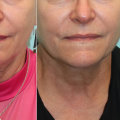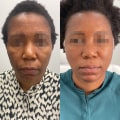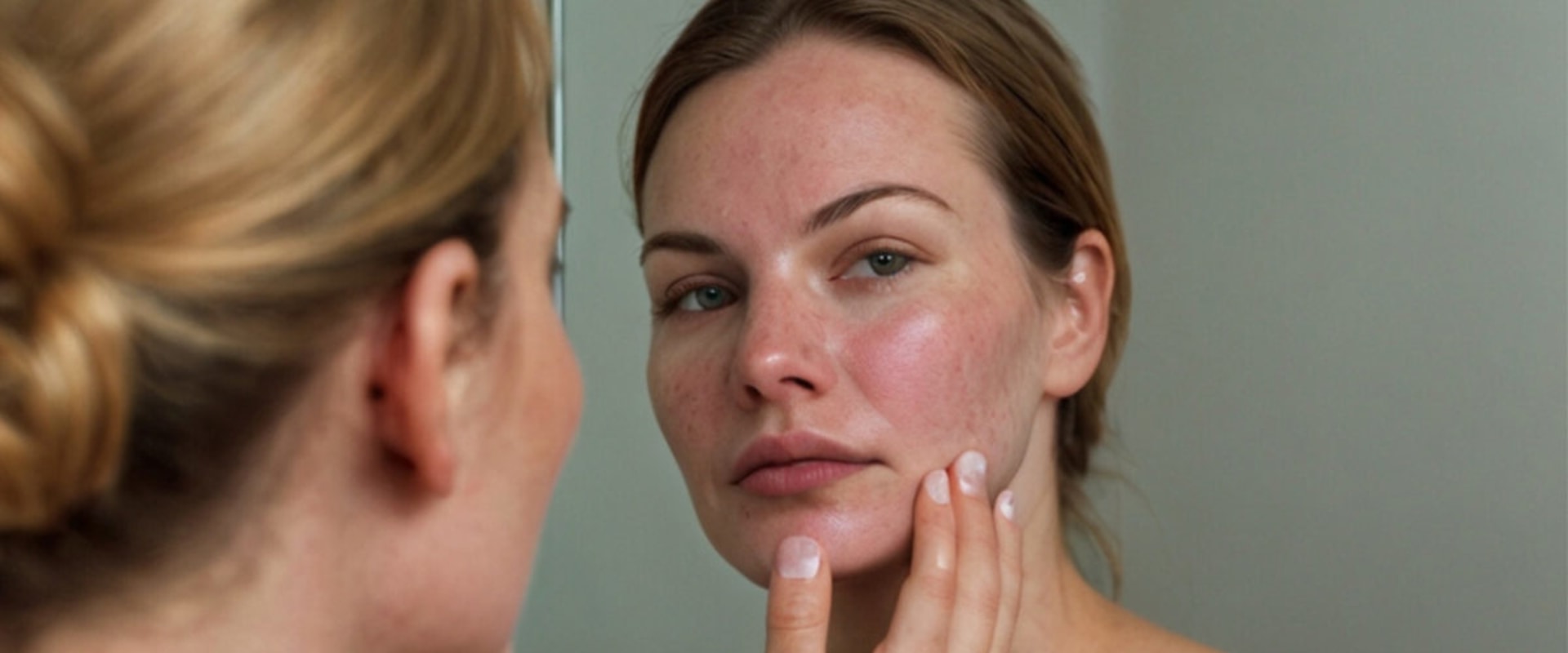
Morpheus8 is a cutting-edge skin treatment that has gained significant traction in the realm of aesthetic procedures, particularly for those seeking effective skin rejuvenation. This innovative treatment combines the benefits of microneedling with radiofrequency energy, allowing for deep tissue remodelling and collagen stimulation. As a result, Morpheus8 not only addresses surface-level skin concerns but also targets deeper layers, making it a versatile option for various skin types and conditions.The popularity of Morpheus8 can be attributed to its ability to deliver noticeable results with minimal downtime. Patients often report improvements in skin texture, firmness, and overall appearance after just one session.
This non-invasive procedure is particularly appealing to individuals looking to enhance their natural beauty without the need for surgical interventions. Furthermore, the treatment can be customised to meet individual needs, making it suitable for a wide range of concerns, from fine lines and wrinkles to acne scars and sagging skin.However, as with any cosmetic procedure, it is essential to understand that some patients may experience skin reactions following their Morpheus8 treatment. These reactions can vary in intensity and duration, depending on individual skin types and sensitivities. While many individuals enjoy the benefits of rejuvenated skin, others may find themselves facing unexpected challenges during the healing process.
Understanding these potential reactions is crucial for managing expectations and ensuring a smooth recovery.In this article, we will delve deeper into the reasons behind these skin reactions post-Morpheus8 treatment, providing insights into what patients can expect and how to care for their skin effectively during the recovery phase. By equipping yourself with knowledge about this popular treatment and its effects, you can make informed decisions about your skincare journey.
What is Morpheus8?
Morpheus8 is an innovative skin rejuvenation treatment that combines the benefits of microneedling with radiofrequency energy. This dual-action approach targets the deeper layers of the skin, promoting collagen production and enhancing overall skin texture and tone.The Morpheus8 procedure involves the use of a device equipped with tiny needles that penetrate the skin at various depths. As these needles create micro-injuries, they stimulate the body’s natural healing response, which in turn encourages the production of collagen and elastin.The addition of radiofrequency energy further enhances this process by heating the underlying tissues, leading to tighter and firmer skin.One of the primary reasons individuals opt for Morpheus8 is its versatility. It can effectively treat a range of skin concerns, including:
- Fine lines and wrinkles
- Acne scars
- Uneven skin texture
- Skin laxity
- Stretch marks
With proper skincare maintenance and periodic touch-up treatments, patients can enjoy smoother, firmer skin for months or even years after their initial session. This makes it an appealing option for those seeking sustainable results without the need for extensive recovery time.In summary, Morpheus8 is a cutting-edge treatment that effectively addresses various skin issues through its unique combination of microneedling and radiofrequency technology. Its ability to promote collagen production while tightening the skin makes it a popular choice for individuals looking to rejuvenate their appearance safely and effectively.
Common Skin Reactions After Morpheus8 Treatment
After undergoing Morpheus8 treatment, many patients may notice various skin reactions that can be concerning. Understanding these reactions is crucial for managing expectations and ensuring a smooth recovery process.One of the most common reactions is redness.This occurs as a natural response to the micro-injuries created by the microneedling process. The tiny needles penetrate the skin, stimulating blood flow and promoting healing. Typically, this redness will subside within a few days, but it can vary depending on individual skin sensitivity.
Swelling
is another frequent side effect. Similar to redness, swelling is part of the body’s healing response.
It may appear more pronounced in the first 48 hours post-treatment and usually diminishes significantly within a week. To alleviate swelling, applying a cold compress can be beneficial.Many patients also report experiencing skin purging , which can manifest as breakouts or small blemishes. This phenomenon occurs as the skin adjusts to the treatment and expels impurities that have been trapped beneath the surface. While it can be alarming to see new spots appearing, it’s essential to remember that this is often a temporary phase and should improve as your skin heals.In addition to these reactions, some individuals may notice dryness or flaking of the skin.
This is typically due to the healing process and can be managed with gentle moisturisers recommended by your skincare professional. Avoiding harsh products during this time is crucial to prevent further irritation.Lastly, it’s important to avoid sun exposure immediately after treatment, as your skin will be more sensitive and prone to damage. Wearing broad-spectrum sunscreen and protective clothing can help safeguard your skin during this recovery period.In summary, while experiencing these reactions after Morpheus8 treatment can be concerning, they are generally normal and indicate that your skin is responding to the procedure. Following post-treatment care instructions diligently will aid in minimising these effects and promoting optimal healing.
Understanding Skin Purging: What to Expect
After undergoing treatments like Morpheus8, many patients notice changes in their skin, often leading to confusion about whether these changes are normal or indicative of a problem.One common phenomenon that can occur is known as skin purging. Understanding what skin purging is, how it differs from regular breakouts, and why it happens is crucial for anyone considering or having undergone such treatments.
What is Skin Purging?
Skin purging refers to the process where the skin accelerates its natural exfoliation cycle, leading to the emergence of pre-existing clogged pores and impurities. This can manifest as small bumps, whiteheads, or even mild acne in areas where the skin has been treated. It’s important to note that this reaction is typically temporary and indicates that the skin is adjusting to new products or treatments.
Why Does Skin Purge After Treatment?
When you undergo a treatment like Morpheus8, which involves microneedling and radiofrequency energy, it stimulates the skin's healing processes.
This stimulation can cause the skin to push out impurities that were already present beneath the surface. Essentially, the treatment encourages your skin to renew itself more rapidly, which can lead to a brief period of purging.This purging phase usually occurs within the first few weeks post-treatment and can last anywhere from a few days to several weeks, depending on individual skin types and conditions. Factors such as hormonal changes, skincare routines, and overall skin health can influence the duration and intensity of this purging phase.
Purging vs. Breakout
It’s essential to differentiate between skin purging and regular breakouts.
While both can result in similar symptoms, there are key differences:
- Timing: Purging typically occurs shortly after a treatment as the skin reacts to new stimuli, while breakouts can happen at any time due to various factors such as stress or hormonal fluctuations.
- Location: Purging often occurs in areas where you have previously experienced breakouts or have clogged pores. In contrast, regular breakouts may appear in new areas.
- Duration: Skin purging is usually short-lived, resolving within a few weeks. Regular breakouts may persist longer if not treated properly.
Factors Influencing Skin Reactions Post-Treatment
Understanding the factors that influence skin reactions after Morpheus8 treatment is crucial for managing expectations and ensuring a smooth recovery.Each individual's skin is unique, and various elements can affect how it responds to this innovative microneedling procedure.
1.Skin Type
Your skin type plays a significant role in how it reacts post-treatment. There are generally four main skin types: normal, oily, dry, and combination. For instance:
- Oily Skin: Individuals with oily skin may experience increased breakouts due to excess sebum production, which can be exacerbated by the micro-injuries caused during the Morpheus8 treatment.
- Dry Skin: Those with dry skin might find their skin feels tighter or more sensitive after treatment, as the procedure can strip away some natural moisture.
- Sensitive Skin: If you have sensitive skin, you may notice heightened redness and irritation following the treatment. This sensitivity can lead to a more pronounced reaction, requiring careful post-treatment care.
- Combination Skin: Individuals with combination skin may experience varied reactions in different areas of their face, necessitating tailored aftercare.
2.Sensitivity Levels
Each person's sensitivity to treatments like Morpheus8 can differ significantly.
Factors such as hormonal fluctuations, stress levels, and even diet can influence your skin's sensitivity. For example:
- Hormonal Changes: Hormonal imbalances can lead to increased sensitivity, making your skin more reactive to treatments.
- Stress: High-stress levels can trigger inflammatory responses in the body, potentially leading to more pronounced reactions post-treatment.
- Diet: A diet high in processed foods or sugars may contribute to inflammation and sensitivity, affecting how your skin heals after Morpheus8.
3.Pre-existing Conditions
If you have pre-existing skin conditions such as eczema, rosacea, or psoriasis, these can significantly impact your skin's response to Morpheus8 treatment. For instance:
- Eczema: Those with eczema may experience flare-ups following treatment due to the compromised barrier function of their skin.
- Rosacea: Individuals with rosacea might find that their condition worsens temporarily after treatment due to increased blood flow and inflammation.
- Psoriasis: Psoriasis sufferers may see an exacerbation of their symptoms as the treatment stimulates the skin's healing processes.
Aftercare Tips for Managing Skin Reactions
After undergoing Morpheus8 treatment, it is essential to follow a proper aftercare routine to manage any skin reactions effectively.The skin may exhibit various responses, including redness, swelling, and even breakouts, which are all part of the healing process. Here are some practical tips to help soothe your skin and promote recovery:
- Keep it Simple: In the first few days post-treatment, stick to a minimal skincare routine. Use only a gentle cleanser with lukewarm water to avoid further irritation.
- Avoid Makeup: Refrain from applying makeup for at least 48 hours after your treatment. This allows your skin to breathe and heal without the added stress of cosmetic products.
- Hydration is Key: Keep your skin well-hydrated by using a gentle, fragrance-free moisturiser.
Look for products containing hyaluronic acid or ceramides, which can help restore moisture and support the skin barrier.
- Cold Compress: If you experience swelling or discomfort, applying a cold compress can provide relief. Just ensure that the compress is clean and not too cold to avoid further irritation.
- Sun Protection: Protect your skin from sun exposure by applying a broad-spectrum sunscreen with at least SPF 30. This is crucial as your skin will be more sensitive to UV rays after treatment.
- Avoid Heat: Steer clear of hot showers, saunas, and intense workouts for a few days. Heat can exacerbate inflammation and prolong recovery time.
- Do Not Pick: It may be tempting to pick at any scabs or blemishes that appear, but doing so can lead to scarring and prolong the healing process.
Allow your skin to heal naturally.
- Follow Professional Advice: Always adhere to the specific aftercare instructions provided by your practitioner. They may recommend particular products or treatments tailored to your skin type and condition.
When to Seek Professional Help
After undergoing a Morpheus8 treatment, it is essential to monitor your skin's response closely. While some reactions are normal, there are specific signs that indicate when it is necessary to seek professional help.Understanding these signs can help you ensure your skin heals properly and avoid potential complications.
Signs of Complications
While mild redness and swelling are typical after a Morpheus8 treatment, certain symptoms may suggest complications that require medical attention. Look out for the following:- Persistent Redness: If the redness lasts longer than a week or intensifies rather than subsides, it may indicate an adverse reaction.
- Severe Swelling: While some swelling is expected, if it becomes excessive or painful, consult your healthcare provider.
- Increased Pain: Discomfort is normal, but if you experience sharp or worsening pain, this could be a sign of infection or other issues.
- Pus or Discharge: Any unusual discharge from the treatment area should be evaluated by a professional as it may indicate an infection.
- Fever or Chills: Systemic symptoms like fever can signal an infection and warrant immediate medical attention.
When to See a Doctor
If you notice any of the above symptoms, it is crucial to contact your doctor promptly. Additionally, if you have any concerns about how your skin is healing or if you feel that your skincare routine is not effective in managing post-treatment reactions, do not hesitate to seek professional advice. Early intervention can prevent more severe complications and ensure a smoother recovery process.Professional Advice for Skin Issues
Your healthcare provider can offer tailored advice based on your specific skin type and the severity of your reactions.They may recommend treatments such as topical medications to reduce inflammation or antibiotics if an infection is suspected. Furthermore, they can guide you on adjusting your skincare routine to better support healing and prevent future issues.In summary, while some reactions after Morpheus8 treatment are normal, being vigilant about your skin's response is vital. Recognising the signs of complications and knowing when to seek professional help can significantly enhance your recovery experience and overall satisfaction with the treatment.
Frequently Asked Questions About Morpheus8 Reactions
After undergoing Morpheus8 treatment, many patients have questions regarding their skin's reaction. Here are some frequently asked questions that can help clarify common concerns:What is skin purging after Morpheus8?
Skin purging is a common phenomenon where the skin experiences breakouts or irritation following a treatment.This occurs as the skin adjusts to the changes induced by the Morpheus8 procedure. The micro-injuries created during treatment stimulate cellular turnover, which can lead to the expulsion of impurities and clogged pores, resulting in temporary breakouts.
How long does skin purging last?
Typically, skin purging can last anywhere from a few days to a couple of weeks. Most patients notice a significant improvement within two weeks as their skin begins to heal and adjust. It’s essential to remain patient and follow your skincare routine as advised by your practitioner.Are there any side effects I should be aware of?
Yes, aside from purging, other common side effects include:- Redness: This is a natural response to the micro-needling process and usually subsides within a few days.
- Swelling: Mild swelling may occur as part of the healing process, indicating that your skin is responding to the treatment.
- Crusting: Small crusts may form on the treated area, which should not be picked or disturbed.
What should I do if I experience excessive redness or swelling?
If you notice excessive redness or swelling that persists beyond three days, it’s advisable to contact your skincare professional.They can assess your condition and provide tailored advice or treatment options to alleviate any discomfort.
Can I use makeup after Morpheus8?
It is generally recommended to avoid makeup for at least 48 hours post-treatment. This allows your skin to breathe and heal without additional irritation from cosmetic products. After this period, consult with your practitioner about when it is safe to resume your normal makeup routine.Understanding these aspects of Morpheus8 reactions can help you navigate your post-treatment experience with confidence. Always consult with your skincare provider for personalised advice tailored to your specific needs.Conclusion: Embracing Your Skin's Healing Journey After Morpheus8
As we conclude our exploration of the Morpheus8 treatment and its effects on your skin, it is essential to reflect on the journey your skin undergoes during the healing process.Many individuals experience various reactions post-treatment, and understanding these responses can significantly alleviate concerns and foster a more positive outlook.Firstly, it is crucial to acknowledge that experiencing skin reactions such as redness, swelling, or even breakouts is a normal part of the healing process. These reactions are indicative of your skin's natural response to the micro-injuries created by the microneedling aspect of Morpheus8. The treatment stimulates collagen production and encourages cellular turnover, which can lead to temporary discomfort but ultimately results in healthier, rejuvenated skin.To navigate this healing journey effectively, consider the following key points:
- Patience is Key: Allow your skin the time it needs to heal. While initial reactions may be concerning, they typically subside within a few days to a week.
- Follow Aftercare Instructions: Adhering to the aftercare guidelines provided by your practitioner is vital.
This includes using gentle cleansers, avoiding makeup, and protecting your skin from sun exposure.
- Stay Hydrated: Keeping your skin well-hydrated can aid in the healing process. Use soothing moisturisers that are free from harsh chemicals or fragrances.
- Monitor Your Skin: Keep an eye on any changes in your skin's condition. If you notice persistent or severe reactions, consult with your skincare professional for tailored advice.
Remember, every step you take in caring for your skin contributes to its overall health and appearance.Your journey does not end with the treatment; it continues as you nurture and care for your skin. Embrace this time as an opportunity for growth and transformation, leading to the beautiful results you desire.